Omanghana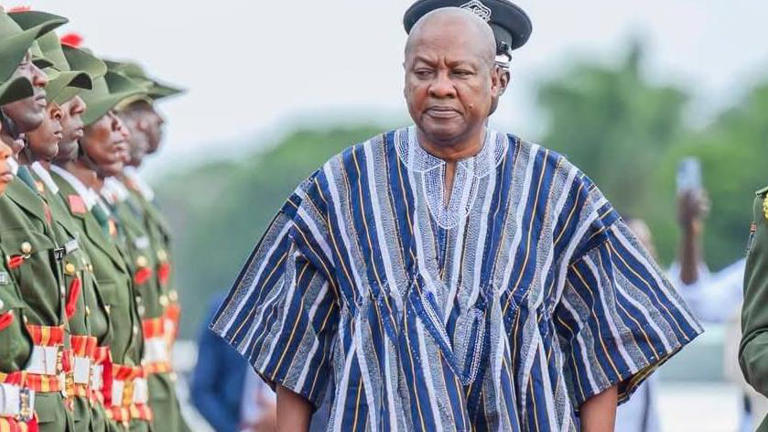
Ghana’s iconic traditional smock, popularly known as the fugu (or batakari), experienced an unprecedented surge in international demand following a wave of interest from African leaders and diplomats. What began as a moment of online mockery quickly evolved into a powerful continental endorsement of Ghanaian culture, craftsmanship, and identity.
How a State Visit Sparked a Continental Trend
The renewed spotlight on the fugu was ignited when John Dramani Mahama wore a striking blue-white-grey striped fugu during a state visit to Zambia. Images of the President in traditional attire circulated widely across social media platforms.
While some Zambian social media users initially mocked the garment—mistakenly likening it to a “blouse”—the attention ultimately produced the opposite effect. The conversation shifted from ridicule to admiration, transforming the fugu into a symbol of cultural confidence and African pride.
Diplomatic Endorsement at the African Union
According to Samuel Okudzeto Ablakwa, the diplomatic interest reached its peak during an African Union summit in Addis Ababa. He revealed that nearly all attending foreign ministers requested custom-made fugus designed in their respective national colors.
The enthusiasm extended to heads of state. Zambian President Hakainde Hichilema publicly defended President Mahama’s attire and reportedly ordered multiple fugus for himself after the initial backlash.
In West Africa, foreign ministers from the Economic Community of West African States (ECOWAS) went a step further, tasking Ghana’s Foreign Affairs Minister with coordinating customized fugus for their next ministerial meeting.
Cultural Renaissance at Home
The international attention sparked a cultural revival within Ghana, reinvigorating appreciation for indigenous textiles and craftsmanship.
Fugu Wednesdays
In response, the Ghanaian government designated Wednesdays as an official day for wearing the fugu nationwide, encouraging public servants and citizens alike to promote locally made fabrics.
Parliament Sends a Message
On February 6, 2026, members of the Parliament of Ghana arrived for a parliamentary session dressed entirely in fugus. The coordinated display was widely interpreted as a statement of unity, cultural pride, and defiance against the earlier mockery.
Local weavers, traders, and textile cooperatives—particularly in northern Ghana—reported a sharp increase in orders. Many artisans described the moment as a rare opportunity to scale production, preserve traditional weaving techniques, and benefit economically from global interest in indigenous fashion.
The fugu, traditionally handwoven from narrow strips of cloth sewn together, originates from northern Ghana and carries deep historical and political significance. Most notably, it was the attire worn by Kwame Nkrumah when he declared Ghana’s independence in 1957, cementing its place as a symbol of freedom, resistance, and African self-determination.
Source: Omanghana