Omanghana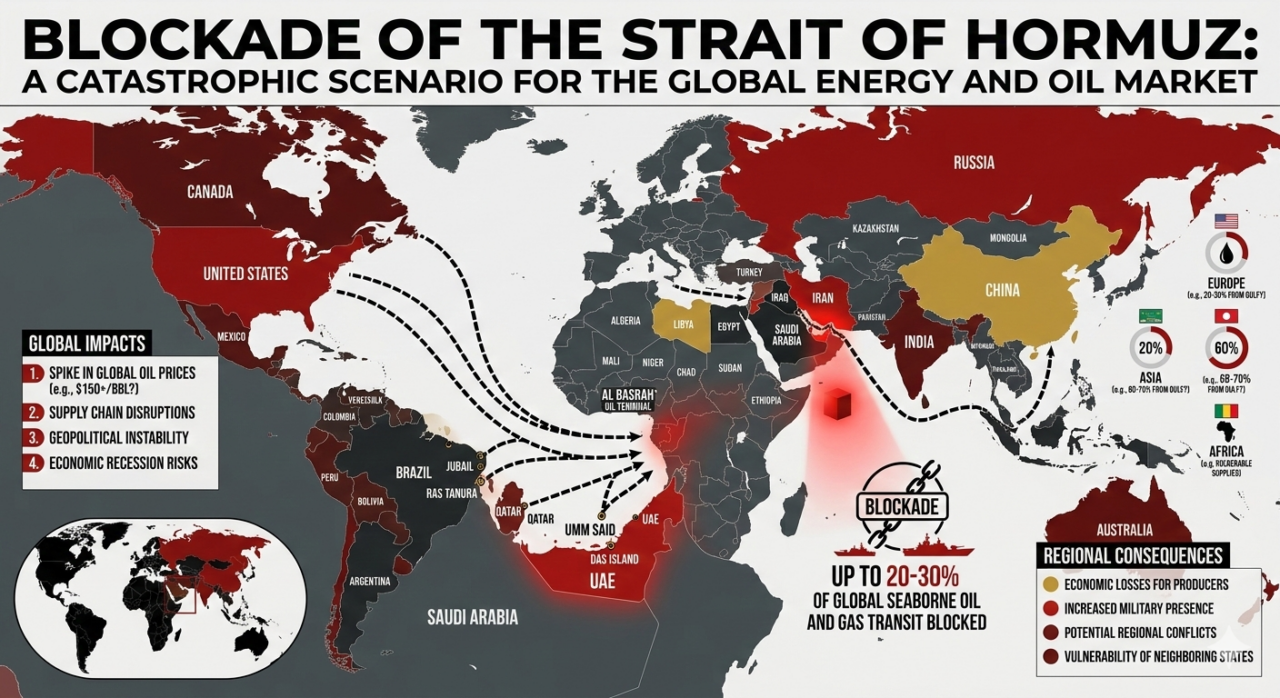
Global energy markets have been thrown into turmoil following a reported blockade of the Strait of Hormuz by Iran’s Revolutionary Guard Corps (IRGC). Ghana’s Chamber of Petroleum Consumers (COPEC) confirmed that global crude oil prices surged past $91 per barrel over the weekend, representing a dramatic increase of more than 30 percent within 24 hours.
According to COPEC, Brent crude futures jumped from a Friday closing price of about $72 to $91 as fears of supply disruption gripped international markets. The sharp rise follows escalating tensions in the Middle East after U.S. and Israeli strikes on Iran, which have heightened concerns about the stability of global oil supply routes.
At the center of the crisis is the Strait of Hormuz, one of the world’s most critical maritime chokepoints. The narrow waterway handles approximately 20 to 22 percent of global oil shipments. Reports indicate that the IRGC issued radio warnings to vessels declaring that no ships would be allowed to pass through the strait, effectively halting traffic in the area.
The disruption has already affected global shipping operations. Major international shipping companies, including Maersk, CMA CGM, and Hapag-Lloy,d have suspended transits through the region. Industry data suggests vessel traffic has dropped by as much as 70 percent since the blockade announcement.
COPEC Executive Secretary Duncan Amoah warned that if the conflict continues, crude oil prices could climb to $100 per barrel in the coming days. Such a spike would likely have ripple effects on fuel prices and inflation in oil-importing countries, including Ghana.
The National Petroleum Authority (NPA) has sought to reassure the public, stating that Ghana currently holds approximately five weeks of fuel stock. However, private fuel traders are reportedly already adjusting prices in anticipation of higher replacement costs for future shipments.
Energy analysts caution that prolonged instability in the Gulf region could deepen the supply shock, further strain global markets, and intensify economic pressures worldwide.
Source: Omanghana