Omanghana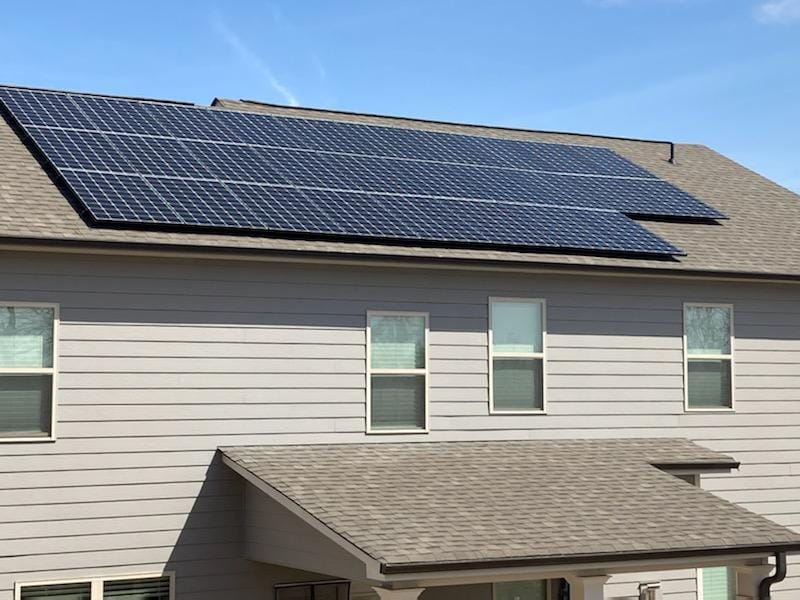
Installing solar panels continues to be a strong long-term financial investment for many homeowners, with most systems typically paying for themselves within six to thirteen years. Although the federal tax credit for homeowner-owned systems expired at the end of 2025, rising electricity costs are still making solar energy attractive as utility rates continue to increase by an estimated 2.8 percent to 4 percent each year.
In 2026, the average cost of a typical 8-kilowatt residential solar system ranges between $22,800 and $28,000 before local rebates or incentives. Homeowners who finance their system through loans may end up paying significantly more over time, with total costs potentially increasing by as much as 47 percent compared to paying in cash.
Despite the upfront expense, the long-term savings can be substantial. Over the average 25-year lifespan of a solar system, many households are projected to save between $34,000 and $120,000 depending on local energy prices, sunlight exposure, and electricity usage.
Solar panels can also increase home value. Studies show that homes with solar installations often sell for around 4 percent to 6.8 percent more than similar homes without them, making solar a potential investment in both lower bills and property appreciation.
One of the biggest advantages of solar power is greater energy independence. Homeowners can reduce their reliance on utility companies and protect themselves from unpredictable future rate hikes. Solar can also offer resilience when paired with battery systems such as Tesla Powerwall, allowing homes to maintain backup power during outages.
Another benefit is more predictable monthly energy costs. Instead of continually paying rising utility bills, homeowners can shift toward a fixed payment structure or eventually enjoy very low electricity costs once the system is fully paid off.
However, solar is not without drawbacks. The biggest challenge remains the high upfront cost, especially for households not using zero-down financing or local incentives. Roof maintenance can also become more expensive, as removing and reinstalling panels for repairs may cost between $3,500 and $6,000.
System performance also depends heavily on weather conditions and roof design. South-facing roofs generally produce the best results in the United States, while shaded roofs or poor roof angles may reduce energy generation.
Before installing solar, experts recommend using a solar savings calculator to estimate your specific payback period based on your location, utility rates, and local net metering rules. In some areas, such as California, recent policy changes like NEM 3.0 have reduced the value of excess electricity sent back to the grid, making battery storage more important for maximizing returns.
Overall, solar panels remain a compelling option for homeowners who plan to stay in their homes long enough to recover the initial investment and benefit from years of lower energy costs.
Source: Omanghana