Omanghana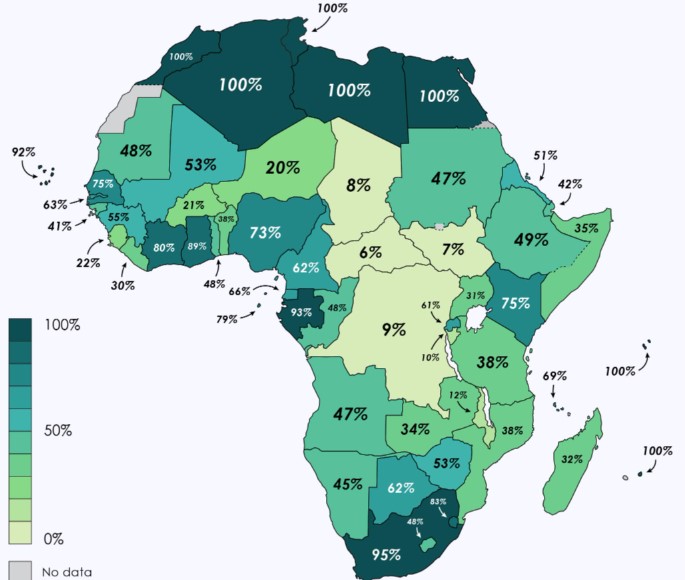
photo by afisha.com
South Africa and Egypt continue to dominate Africa’s power landscape in 2026, jointly accounting for nearly half of the continent’s total electricity generation. While South Africa remains the largest producer in terms of annual output, Egypt has recently overtaken it in installed generation capacity, driven by rapid expansion in renewable energy projects.
According to the latest energy rankings, South Africa leads the continent with an estimated 229,300 GWh of annual electricity generation, followed closely by Egypt at approximately 215,000 GWh. The two countries are significantly ahead of other African power producers, highlighting their central role in the continent’s energy security.
Top Electricity-Producing Countries in Africa (2026)
- South Africa — ~229,300 GWh
- Egypt — ~215,000 GWh
- Algeria — ~95,600 GWh
- Morocco — ~45,600 GWh
- Nigeria — ~37,900 GWh
South Africa’s energy mix remains heavily dependent on coal, which accounts for more than 80% of its electricity production, alongside smaller contributions from nuclear and renewable sources. Despite its dominant output, the country continues to struggle with grid instability and regularly implements controlled blackouts known as load shedding to manage pressure on its aging coal-fired infrastructure.
In contrast, Egypt has made significant strides in diversifying its energy portfolio. The country relies heavily on natural gas while rapidly expanding solar and wind capacity. Large-scale renewable investments have boosted its installed capacity, allowing Egypt to generate a power surplus and position itself as a potential electricity exporter to neighboring African countries and even parts of Europe.
Across North Africa, countries such as Algeria and Morocco continue to strengthen their energy systems. Algeria generates almost all of its electricity from natural gas, while Morocco has invested heavily in renewable energy projects, including the massive Noor Solar Complex and expanding wind farms. Both countries have achieved near-universal electricity access and are among the most stable power systems on the continent.
Nigeria, despite ranking fifth in total electricity generation, continues to face a persistent energy access gap due to its large population. Chronic supply shortages mean that many households and businesses still rely on private diesel and petrol generators to meet daily electricity needs, highlighting ongoing infrastructure and distribution challenges.
Overall, Africa’s electricity sector continues to evolve, with North African countries leading in diversification and stability, while Southern and West African power systems continue to grapple with infrastructure constraints and growing demand.
Source: Omanghana