Omanghana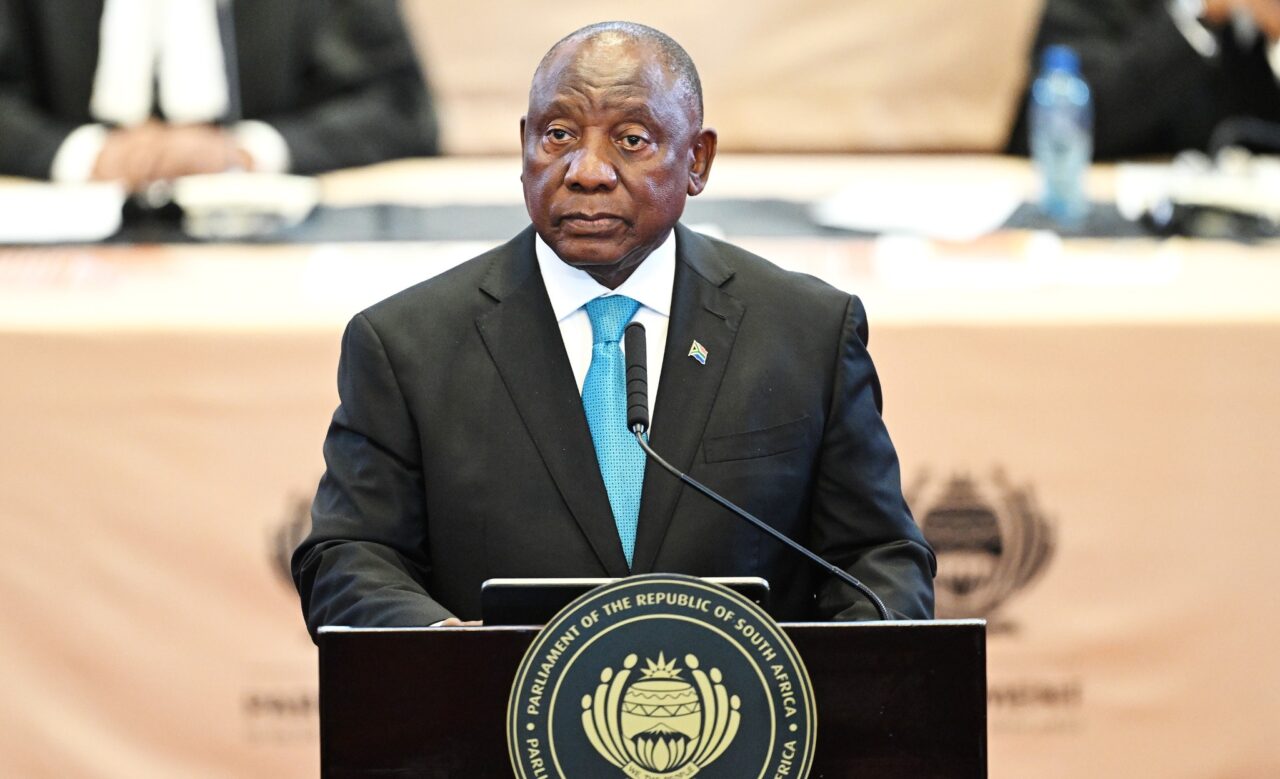
Cyril Ramaphosa is facing renewed political pressure after Constitutional Court of South Africa ruled that Parliament violated the Constitution when it blocked impeachment proceedings against him in 2022 over the controversial Phala Phala scandal.
The landmark judgment, delivered by Chief Justice Mandisa Maya, overturned a parliamentary vote that had dismissed recommendations for a formal impeachment inquiry into allegations surrounding the president’s conduct.
The court found that Parliament acted improperly by rejecting the findings of an independent panel without adequately considering the substance of the report. According to the ruling, lawmakers had “stifled informed debate” and undermined constitutional accountability processes.
As part of the judgment, Parliament has now been ordered to refer the independent panel’s report to a formal impeachment committee, which will investigate the allegations against the president.
The ruling has reignited debate around the long-running Phala Phala scandal, also known as the “Farmgate” controversy, which centers on the theft of at least $580,000 in foreign currency allegedly hidden inside a sofa at Ramaphosa’s Phala Phala game farm in 2020.
Opposition parties reacted swiftly to the judgment. Julius Malema, leader of the Economic Freedom Fighters, called on Ramaphosa to resign immediately, arguing that the president should focus on defending himself during the impeachment process.
The EFF also issued a 48-hour ultimatum to the Speaker of the National Assembly to provide clear steps for establishing the impeachment committee mandated by the court ruling.
In response, the presidency released a statement saying Ramaphosa “respects the judgment” and remains committed to upholding the rule of law and constitutional processes.
The decision comes at a politically sensitive time for the ruling African National Congress, which lost its outright parliamentary majority following the 2024 general election and now governs through coalition arrangements. Analysts say the new political landscape could make the impeachment process more unpredictable than it was in 2022.
Despite the court’s ruling, political observers note that any final impeachment vote would still require a two-thirds majority in Parliament. Analysts say the ANC and its coalition partners could ultimately move to protect Ramaphosa from removal even if the investigation proceeds.
Source: Omanghana