Omanghana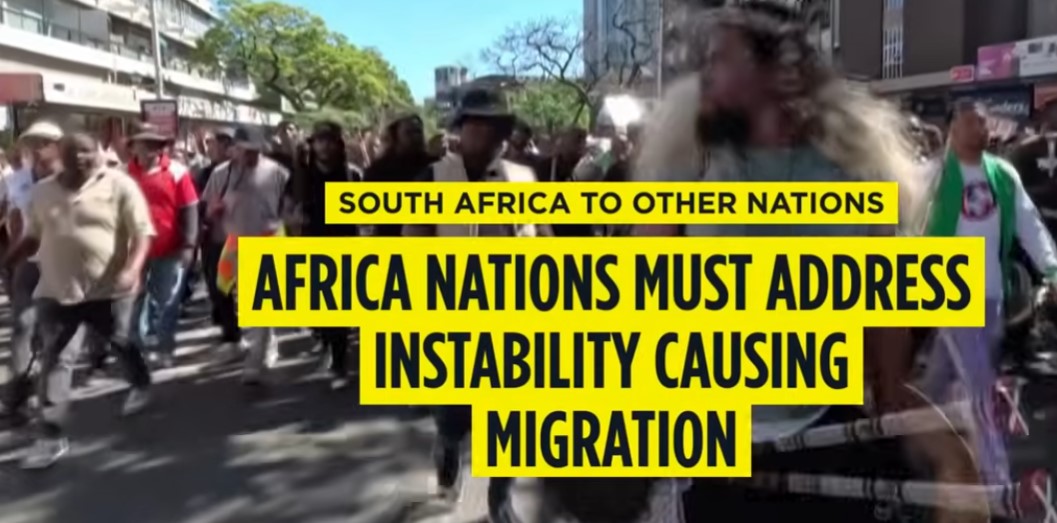
The government of South Africa has defended its response to recent anti-immigrant protests and attacks, rejecting accusations of xenophobia and arguing that the growing tensions are rooted in broader regional instability, economic hardship, and governance failures across Africa.
Speaking on May 6, 2026, presidential spokesperson Vincent Magwenya dismissed claims that South Africans are inherently xenophobic, describing such accusations as a “lazy analysis” that ignores the deeper social and economic pressures fueling public frustration.
According to Magwenya, the demonstrations represent isolated “pockets of protest” that fall within citizens’ constitutional rights to demonstrate, rather than evidence of widespread national hostility toward foreigners. He argued that the real issue lies in the increasing migration pressures caused by conflicts, economic collapse, unemployment, and poor governance in several African countries.
Pretoria maintains that South Africa’s position as the continent’s most industrialized economy has made it a major destination for migrants seeking safety and economic opportunities. However, officials say the growing influx of undocumented migrants has placed severe pressure on public services including schools, hospitals, clinics, and local job markets, contributing to rising public anger.
The issue has also become a matter of regional diplomacy. South African President Cyril Ramaphosa recently held discussions with Daniel Chapo on the growing migration crisis and agreed that African governments must work collectively to address the conditions forcing citizens to leave their home countries.
The latest tensions have triggered strong reactions from several African nations whose citizens live and work in South Africa. Nigeria announced emergency repatriation flights for its nationals and accused South African authorities of failing to adequately protect foreign citizens from harassment and violence.
Meanwhile, Ghana summoned South Africa’s envoy and appealed to the African Union for urgent intervention over the safety of African migrants in the country.
Other nations including Kenya, Malawi, Lesotho, and Zimbabwe have issued safety advisories urging their citizens in South Africa to remain indoors or exercise caution amid fears of targeted violence.
Despite the growing criticism, South Africa’s Cabinet reiterated on May 7, 2026, that while the government condemns violence and unlawful attacks against migrants, it will continue strengthening immigration enforcement measures. Authorities confirmed plans to intensify crackdowns on businesses employing undocumented workers and accelerate deportation processes as part of efforts to protect local employment opportunities and maintain social stability.
The developments have once again placed South Africa at the center of a wider continental debate over migration, economic inequality, unemployment, and regional cooperation as African governments grapple with rising population movements driven by conflict and economic hardship.
Source: Omanghana