Omanghana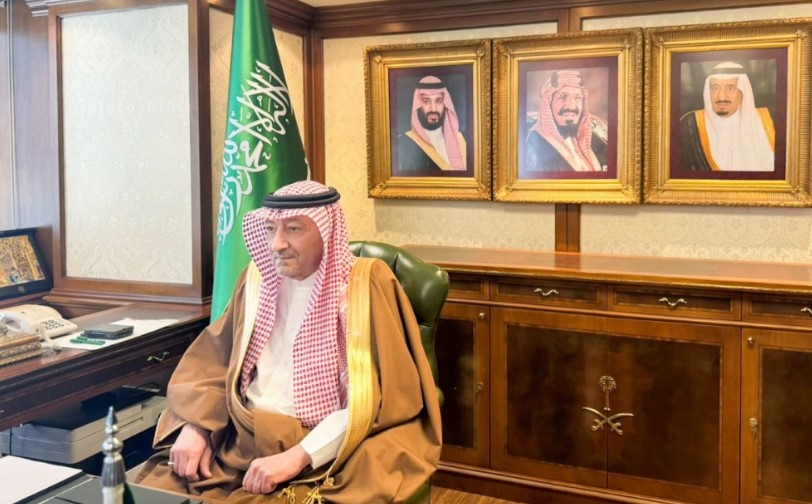
Saudi Arabia has strongly rejected any attempt to close the Strait of Hormuz or disrupt international shipping routes, warning that threats to freedom of navigation pose serious risks to regional and global stability.
Speaking on May 7, 2026, Deputy Foreign Minister Waleed Elkhereiji stated that the Kingdom considers open international waterways a fundamental principle of international law and stressed that escalating tensions are already affecting global food security by disrupting the movement of fertilizers and other essential commodities.
Saudi Arabia’s position comes amid growing international concern over instability around the Strait of Hormuz, one of the world’s most critical energy transit corridors. While condemning any effort to block the waterway, Riyadh is also distancing itself from reported U.S.-led military operations aimed at reopening the route through force.
According to regional reports, the Kingdom denied the United States access to Saudi airspace and military bases for “Project Freedom,” a proposed operation intended to escort oil tankers through the strait. Saudi officials are instead urging Washington to pursue diplomatic negotiations with Iran and scale back naval pressure in the region to avoid wider escalation.
Saudi authorities fear that a broader military confrontation could trigger retaliatory threats against other strategic maritime routes, including the Bab el-Mandeb Strait, another vital corridor for global trade and energy shipments.
To reduce the economic impact of disruptions in the Gulf, the Kingdom has accelerated use of alternative export infrastructure. Saudi Aramco has reportedly increased operations on the Petroline, also known as the East-West Pipeline, to its maximum capacity of 7 million barrels per day. The pipeline allows crude oil to bypass the Strait of Hormuz entirely by transporting supplies from the Gulf to the Red Sea port city of Yanbu.
Analysts say the infrastructure strategy forms part of Saudi Arabia’s broader Vision 2030 economic transformation agenda, designed to shield the Kingdom from regional shocks that could threaten investment, trade, and long-term development goals.
In a renewed statement issued on May 10, the Saudi Foreign Ministry reiterated that attacks on Gulf shipping lanes and any move to shut down the Strait of Hormuz represent a direct threat to international commerce, regional security, and global economic stability.
Source: Omanghana