Omanghana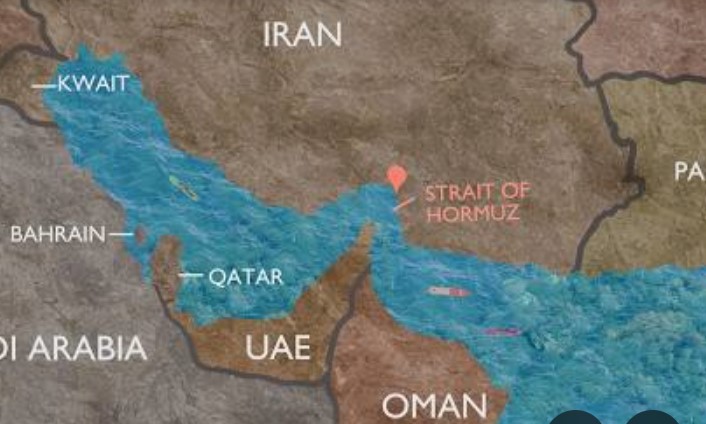
New shipping intelligence data from Kpler and LSEG has revealed that three Very Large Crude Carriers (VLCCs) successfully exited the strategically vital Strait of Hormuz with their Automatic Identification System (AIS) transponders switched off amid escalating regional tensions involving Iran, the United States, and Israel.
The vessels reportedly “went dark” while transiting the waterway in an effort to reduce the risk of detection or potential attacks as security concerns continue to intensify across the Gulf region. Maritime analysts say the tactic reflects growing anxiety among global shipping operators navigating one of the world’s most critical oil transit chokepoints.
The three tankers were carrying a combined 6 million barrels of crude oil from the Gulf.
The first vessel, Agios Fanourios I, a Malta-flagged and Greek-owned VLCC, exited the Strait of Hormuz on May 10 carrying 2 million barrels of Iraqi Basrah crude. Shipping data indicates the tanker is scheduled to discharge its cargo in Vietnam at the Nghi Son Refinery on May 26. Reports suggest the tanker had previously failed at least two attempts to pass through the strait after loading its cargo on April 17.
Another vessel, Kiara M, sailing under the San Marino flag, also reportedly transited the strait on May 10 with its AIS tracking system disabled. The tanker is carrying an additional 2 million barrels of Iraqi crude oil, although its final destination has not been publicly confirmed. The vessel is reportedly managed by a Shanghai-based shipping company.
The third tanker, Basrah Energy, a Panama-flagged VLCC, exited the strait earlier on May 6 carrying 2 million barrels of Upper Zakum crude from Abu Dhabi. The cargo was later discharged at the Fujairah Oil Tanker Terminals on May 8, according to shipping records.
Industry observers say the use of AIS-disabling tactics — commonly associated with sanctions evasion and covert maritime operations — is becoming an increasingly common strategy to sustain Middle Eastern oil exports during the current geopolitical crisis involving Iran, Israel, and the United States.
Most major international shipping firms have reportedly continued avoiding the Strait of Hormuz due to soaring war-risk insurance premiums and persistent security threats, including drone attacks, naval interceptions, and vessel seizures linked to regional hostilities.
Satellite imagery captured on May 10 reportedly identified at least 21 additional commercial tankers operating “dark” within protected Iranian anchorage zones, underscoring mounting export pressure as oil producers and traders attempt to maintain supply flows despite growing instability in the region.
Source: Omanghana