Omanghana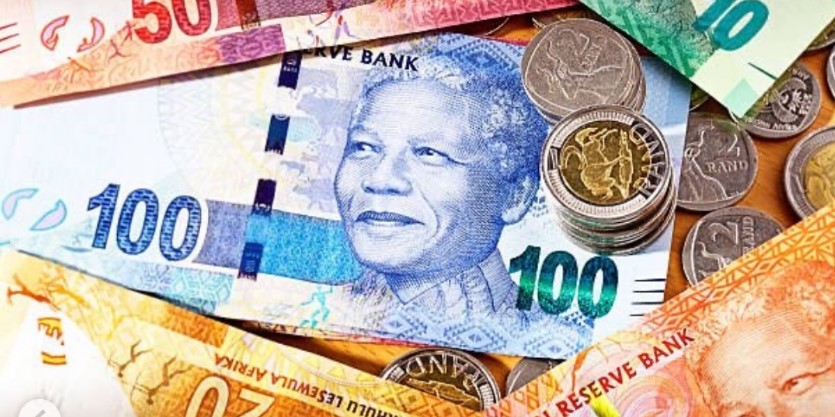
The South African rand is showing renewed resilience, trading at approximately R16.32 per U.S. dollar as of mid-April 2026, marking a 0.4 percent gain from the previous session. The currency’s recent performance reflects a combination of global and domestic factors, including a softer U.S. dollar and growing optimism surrounding potential de-escalation in Middle East tensions, which has helped ease concerns about global inflation and energy price shocks.
This rebound comes after a period of heightened volatility earlier in the year, when geopolitical uncertainty—particularly linked to the Middle East conflict—placed significant pressure on emerging market currencies. At its weakest point, the rand had approached R19.93 per dollar in April 2025, underscoring the extent of external shocks on South Africa’s currency. The current stabilization therefore signals a partial recovery in investor confidence and improved global risk sentiment.
A key pillar supporting the rand’s strength is the performance of gold prices. As one of the world’s major gold producers, South Africa benefits directly from rising bullion prices, which enhance export revenues and strengthen the country’s external balance. Gold is currently on track for a fourth consecutive weekly gain, providing a steady buffer for the currency amid broader market uncertainties.
On the domestic front, monetary policy has also contributed to stability. The South African Reserve Bank has maintained its benchmark repo rate at 6.75 percent for the second consecutive meeting in March 2026. This steady policy stance reflects a cautious approach aimed at balancing inflation control with economic growth, while also supporting the attractiveness of rand-denominated assets to investors.
Inflation dynamics further reinforce the currency’s outlook. Headline consumer inflation slowed to 3.0 percent in February 2026, aligning with the central bank’s revised target and marking a significant milestone in price stability. However, risks remain on the horizon. Data from Statistics South Africa indicates that fuel inflation has surged above 18 percent, raising concerns that overall inflation could climb toward 4 percent in the coming months if energy costs remain elevated.
Despite the current stability, the rand’s trajectory remains closely tied to both global and domestic developments. Investors are monitoring ongoing diplomatic efforts between the United States and Iran, as any breakthrough could further ease pressure on global energy markets and support emerging market currencies. At the same time, upcoming domestic data releases—particularly retail sales figures—will provide insight into the strength of South Africa’s economic recovery and could influence near-term currency movements.
Overall, the rand’s recent performance reflects a delicate balance between improving global sentiment and persistent structural risks. While supportive factors such as strong commodity prices and controlled inflation are helping to anchor the currency, its outlook will continue to depend on external geopolitical developments and the resilience of South Africa’s domestic economy.
Source: Omanghana