Omanghana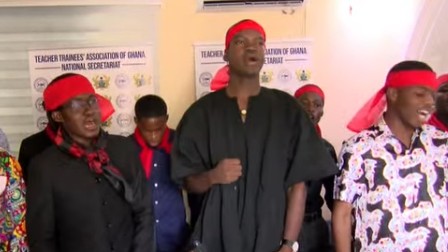
Teacher trainees across Ghana are preparing to embark on a nationwide demonstration on April 24, in what organizers describe as a unified effort to draw attention to long-standing concerns affecting their training and welfare.
The planned protest is being coordinated by the Teacher Trainees’ Association of Ghana, which says the action follows months of unsuccessful engagement with relevant authorities. According to the association, key issues include delays in the payment of allowances, inadequate learning resources, and broader concerns about conditions in colleges of education.
In a statement released ahead of the demonstration, TTAG leadership indicated that trainees from all 46 public colleges of education are expected to participate. The group emphasized that the protest would be peaceful and aimed at urging government stakeholders to take urgent steps to address their grievances.
“We have exercised patience and engaged through the appropriate channels, but the challenges persist,” the association noted. “This demonstration is to ensure our voices are heard and that tangible action is taken.”
Among the primary concerns raised by trainees is the delayed disbursement of allowances, which many rely on to cover basic living expenses. Trainees also cite overcrowded facilities, limited access to teaching and learning materials, and uncertainty around policy reforms affecting teacher education.
Officials from the Ministry of Education (Ghana) have yet to issue a formal response to the planned demonstration. However, education sector observers say the protest underscores growing frustration among future educators and highlights systemic challenges within the training framework.
Education analysts note that teacher trainees play a critical role in Ghana’s long-term human capital development, making it essential for policymakers to address their concerns promptly. “If the welfare and training conditions of teacher trainees are compromised, it ultimately affects the quality of education delivered in classrooms,” one analyst observed.
Security agencies are expected to work with organizers to ensure that the demonstration proceeds without disruption. Meanwhile, civil society groups have called for constructive dialogue between the government and trainee representatives to resolve the issues at hand.
Attention is turning to how authorities will respond to the demonstration and whether it will prompt meaningful reforms within Ghana’s teacher education system.