Omanghana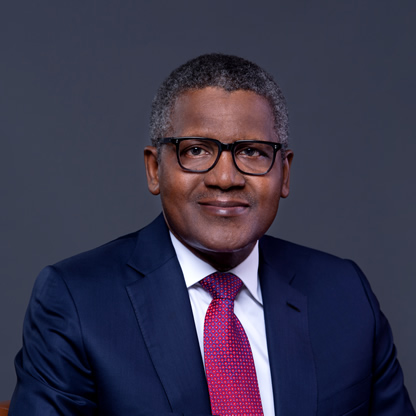
A growing fuel crisis linked to conflict in the Middle East has reignited debate over Kenya’s long-standing struggle to achieve energy self-sufficiency, with analysts pointing to structural weaknesses that leave the country exposed to global supply shocks.
While Nigeria has recently taken major steps toward fuel independence through the Dangote Refinery, Kenya continues to rely heavily on imported refined petroleum products despite having its own crude oil resources. This imbalance has amplified the impact of global disruptions on domestic fuel prices and supply.
At the April 2026 Africa We Build Summit in Nairobi, Aliko Dangote emphasized a broader continental issue, stating that Africa continues to export raw materials while importing finished goods at a higher cost. He argued that true economic independence lies in local value addition, where countries refine and process their own resources rather than relying on external markets.
Kenya’s challenges are partly tied to the long-standing inactivity of the Kenya Petroleum Refineries Limited in Mombasa, which has remained largely dormant due to years of underinvestment and operational setbacks. In contrast, Nigeria’s privately funded Dangote Refinery, valued at around $20 billion, has rapidly transformed the country’s fuel supply landscape, significantly reducing dependence on imports.
Economic observers note that the difference also lies in policy approach. Nigeria has adopted a “national champion” model that supports large-scale industrial ventures, while Kenya’s regulatory and tax environment is often criticized for discouraging business expansion. Analysts argue that heavy taxation and regulatory pressures can push companies to remain small, limiting the growth of industries capable of competing globally.
Dangote’s message also challenged African governments to rethink their reliance on foreign solutions. He suggested that international investors are more likely to commit capital when they see strong local leadership and investment, stressing that Africa already has the financial and human resources needed to drive its own industrialization.
As part of ongoing discussions, a new proposal has emerged to develop a regional refinery in Tanga, Tanzania. The project would process crude oil from multiple countries, including the Democratic Republic of the Congo, South Sudan, Uganda, and Kenya, potentially creating a more resilient regional energy system.
However, Dangote cautioned that such an ambitious plan would require strong political backing, particularly from leaders like William Ruto and Yoweri Museveni. Without decisive support and coordinated action, he warned, the project could remain unrealized, leaving East Africa dependent on volatile global supply chains for its energy needs.
Source: Omanghana