Omanghana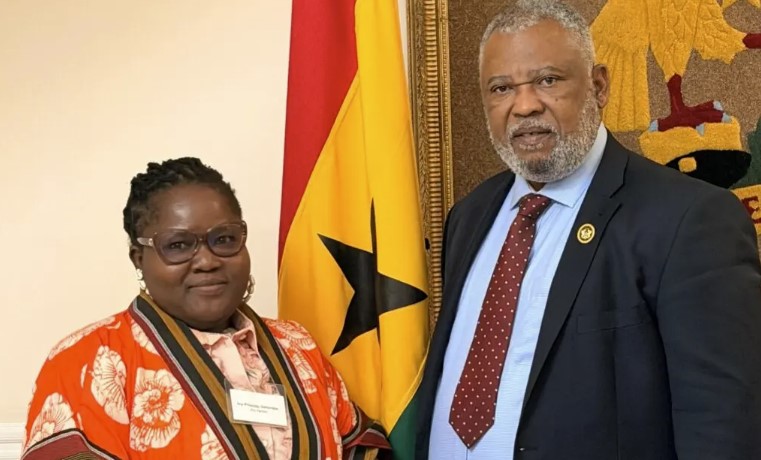
The Government of Ghana has officially acknowledged a debt of £32 million owed to universities in the United Kingdom under its national scholarship program, raising serious concerns about the welfare of Ghanaian students studying abroad. The arrears, which date back as far as 2020, have escalated into a major crisis affecting hundreds of beneficiaries.
The disclosure was made by Aquinas Tawiah Quansah, Deputy High Commissioner to the UK, on March 25, 2026. He described the scale of the debt as comparable to the entire budget of a government ministry, underscoring the urgency of the situation. According to him, the Ghana High Commission, together with the Ghana Scholarships Secretariat, is working to mobilize funds to settle the outstanding obligations.
Due to the accumulation of unpaid fees, the government has been unable to award new scholarships for UK-based studies since 2025. However, recent parliamentary approval of GH¢9.8 billion for the Ghana Education Trust Fund in the 2026 fiscal year is expected to support education financing, including efforts to address the arrears.
The financial delays have had severe consequences for affected students, turning the issue into a humanitarian concern. At institutions such as the University of Wolverhampton and De Montfort University, some Ghanaian students have reportedly received warnings that their visas could be revoked if outstanding tuition fees are not paid.
Many students are also facing academic and personal hardship. Reports indicate that some have been prevented from graduating or accessing essential university services, while others have gone without stipends for years and have had to rely on food banks to survive. At the University of Birmingham, academic transcripts and certificates are reportedly being withheld from students until debts are cleared.
The Ghana High Commission has described its ongoing discussions with both students and universities as fragile, as it works to restore confidence and prevent further disruption, including the potential withdrawal of affected students from their programs.
Source: Omanghana