Omanghana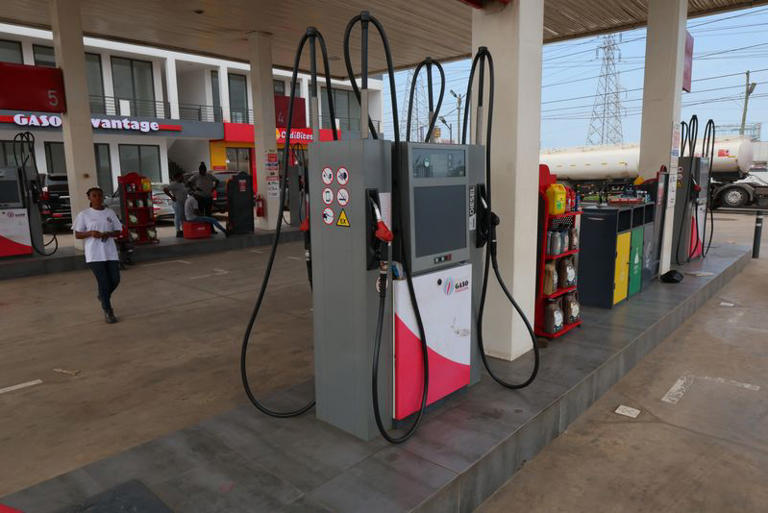
African economies could face a significant slowdown in growth if the ongoing Middle East conflict continues beyond six months, according to a new joint report by the United Nations, African Union, and African Development Bank.
The report, released on April 2, 2026, warns that the continent’s GDP growth could decline by between 0.2 and 1.5 percentage points in 2026 if disruptions to global trade and supply chains persist. It also highlights the growing risk of a widespread cost-of-living crisis driven by rising prices for essential goods and services.
One of the primary concerns is Africa’s strong trade dependence on the Middle East, which accounts for 15.8 percent of the continent’s imports and 10.9 percent of its exports. Any prolonged instability in the region is expected to disrupt these flows, creating shortages and driving up costs.
The report also flags a looming fertilizer crisis. Disruptions to liquefied natural gas supplies from the Gulf region are expected to affect the production of ammonia and urea, key components for fertilizer. This could have serious consequences for agricultural output, particularly during the critical planting season between March and May.
Energy costs are another major pressure point. Global oil prices have surged by more than 50 percent as of late March, while 29 African currencies have weakened. This combination is increasing the cost of fuel imports and making it more expensive for countries to service external debt.
Beyond economic pressures, the report notes that a prolonged conflict could intensify geopolitical competition across Africa, with major powers such as the United States, China, Russia, and Gulf states seeking to expand their influence on the continent.
The impact of the crisis is expected to vary across regions. Oil- and gas-producing countries such as Nigeria and Mozambique could see short-term gains from higher energy prices. Meanwhile, countries like Kenya and Ethiopia are emerging as key logistics hubs, with Ethiopia playing a particularly important role in maintaining air transport links during the disruption.
Shipping routes are also shifting, benefiting ports in countries such as South Africa, Namibia, and Mauritius, where increased maritime traffic is being redirected. However, highly vulnerable regions—including Sudan and parts of the Horn of Africa—are facing heightened risks, particularly as the cost of delivering humanitarian aid continues to rise.
The findings were presented at a meeting of the U.N. Economic Commission in Tangier, where policymakers were urged to take proactive measures. Recommendations include strengthening domestic revenue systems and establishing emergency food corridors to help cushion the impact of external shocks and protect vulnerable populations.
Source: Omanghana