Omanghana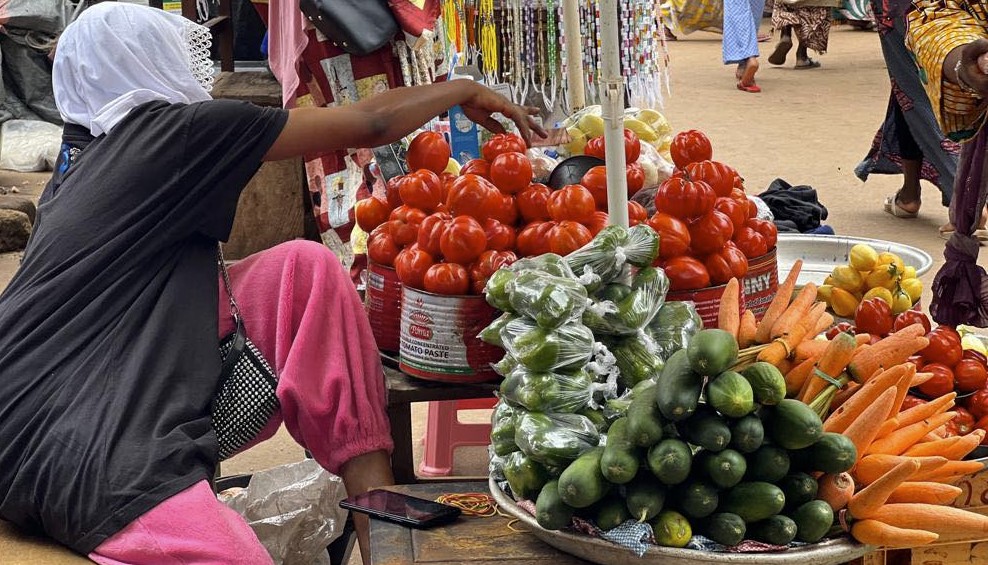
Ghana’s inflation rate continued its downward trend in March, easing to 3.2 percent from 3.3 percent in February. This marks the 15th consecutive month of declining inflation and represents the lowest level recorded since the country’s 2021 statistical rebasing.
The steady decline comes despite mounting global economic pressures, particularly rising energy prices linked to the ongoing Iran war. Analysts say a combination of domestic stability and favorable export conditions has helped cushion the economy.
One of the key factors behind the easing inflation is the relative stability of the Ghanaian cedi over the past year. A stable currency has helped limit the cost of imports, preventing sharp increases in consumer prices. In addition, Ghana has benefited from high global gold prices. As Africa’s leading gold producer, the country has seen improvements in its fiscal position and foreign exchange reserves.
Inflation declines were observed across both major sectors. Food inflation edged down slightly to 2.3 percent in March from 2.4 percent in February, while non-food inflation also eased to 3.9 percent from 4 percent during the same period.
However, emerging global risks continue to threaten this progress. The conflict in the Middle East has disrupted oil shipments through the Strait of Hormuz, contributing to rising crude oil prices on the global market. This has already translated into a sharp increase in local fuel costs, with prices rising by about 38 percent in early April.
To manage potential supply disruptions, Ghana has diversified its fuel import sources, including increased shipments from countries such as Russia and the Netherlands. This strategy has helped reduce the immediate impact of supply shocks, although risks remain if the conflict persists.
In response to the improving inflation outlook, the Bank of Ghana recently reduced its benchmark interest rate to 14 percent from 15.5 percent in an effort to support economic growth. However, policymakers have indicated that a more cautious, tightening approach could be adopted if rising energy costs begin to reverse the current inflation trend.
Source: Omanghana