Omanghana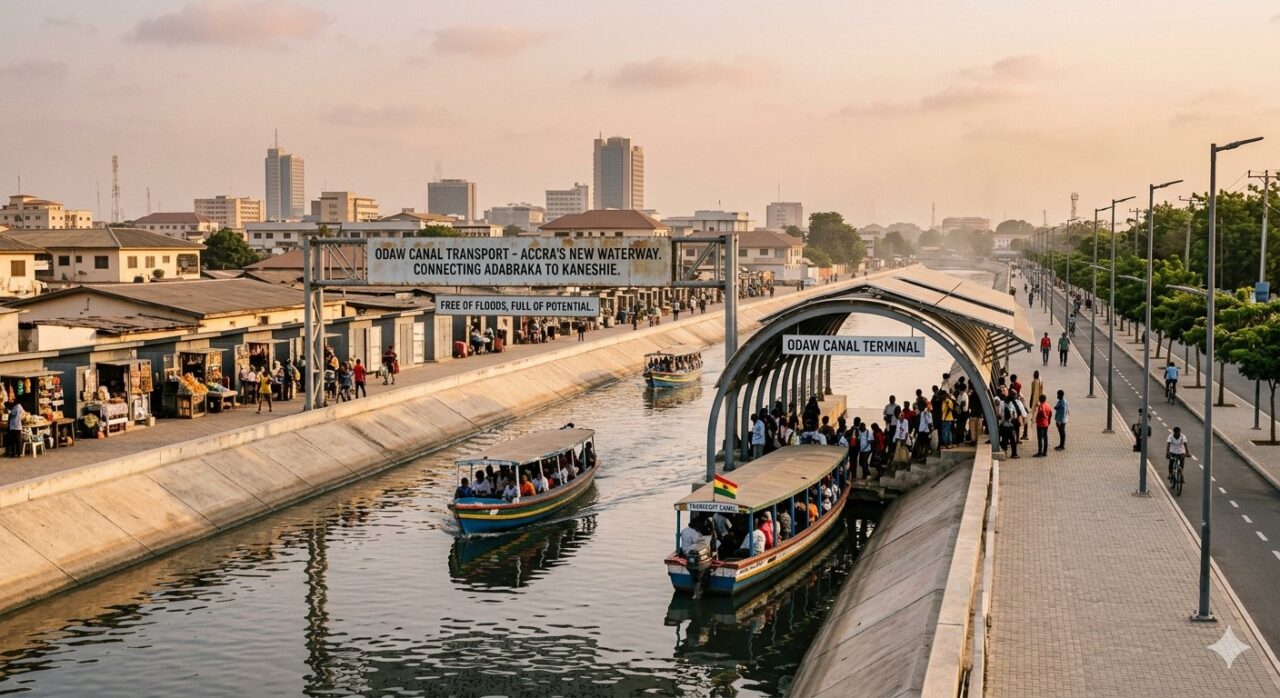
A bold and unconventional idea is gaining momentum across Ghana’s digital space: transforming Accra’s storm drains into functional transport canals. Popularized by urban innovation platforms such as “Big Fat African Development,” the concept has sparked widespread debate as of April 2026, with proponents arguing that the city’s underutilized drainage networks could be reimagined as a practical solution to chronic traffic congestion in Accra.
Reimagining Urban Infrastructure


At the center of the proposal is the idea of repurposing existing stormwater corridors—such as the Odaw drain and the Nima–Paloma channel—into navigable waterways. Rather than undertaking costly and disruptive new construction, advocates suggest a phased approach that leverages infrastructure already embedded within the city. The concept envisions starting with a single high-traffic corridor as a proof of concept, demonstrating how water-based transport could bypass gridlocked roads and provide a faster, more reliable commuting option.
The proposed system would rely on small, shallow-draft boats—similar to those used in cities like Venice—equipped with outboard motors for short-distance, high-frequency travel. These “canal commuters” would operate at low speeds but offer a consistent alternative to road transport, particularly during peak hours when congestion is at its worst. To integrate with existing mobility systems, the plan also includes the development of multimodal hubs at key intersections, where passengers could easily transfer between boats, trotros, and emerging services such as 24-hour shuttle systems.
The Reality Check: Major Urban Challenges


Water quality is another critical concern. The drains often carry stagnant and contaminated runoff, creating health risks associated with diseases such as malaria and cholera. Transforming these channels into safe transport routes would necessitate continuous water flow, treatment interventions, and strict environmental monitoring to address odors, pests, and public health hazards.
Navigability also presents a technical challenge. While some sections of the drains are wide enough to accommodate small vessels, water depth varies სეზally, particularly between dry and rainy seasons. Ensuring year-round usability would require extensive dredging, desilting, and engineering modifications to stabilize water levels and maintain safe passage.
Policy Signals and Emerging Interest
Although the storm-drain-to-canal concept has not yet received official government approval, elements of water-based transport are increasingly being explored at the policy level. Ghana’s Ministry of Transport has been conducting feasibility studies into coastal water transport systems since late 2025, aimed at easing pressure on road networks by utilizing the country’s coastline for passenger and cargo movement.
At the same time, civil society organizations such as the Nurture Nature Foundation are advocating for more resilient urban planning approaches. These include the creation of buffer zones that serve dual purposes—mitigating flood risks while enabling eco-friendly transport options like small ferries during the rainy season. Such ideas align with broader efforts to adapt cities to climate change while improving mobility.
A Vision Between Innovation and Reality
The concept of canal commuting in Accra represents a striking example of how urban challenges can inspire creative solutions. By rethinking existing infrastructure, the proposal offers a glimpse into a future where cities leverage natural and built environments in new ways. However, its success would depend on addressing deep-rooted issues in sanitation, urban planning, and environmental management.
For now, the idea remains largely conceptual, fueled by public imagination and online discourse. Yet its growing popularity highlights a broader demand for innovative approaches to urban mobility in Accra—a city where congestion continues to test the limits of conventional transport systems. Whether or not the canals become a reality, the conversation itself signals a shift toward more ambitious and unconventional thinking about Africa’s urban future.
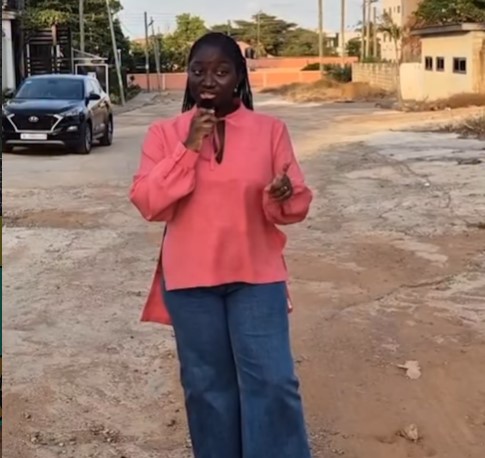
Source: Ama Yeboah (Big Fat African Development)