Omanghana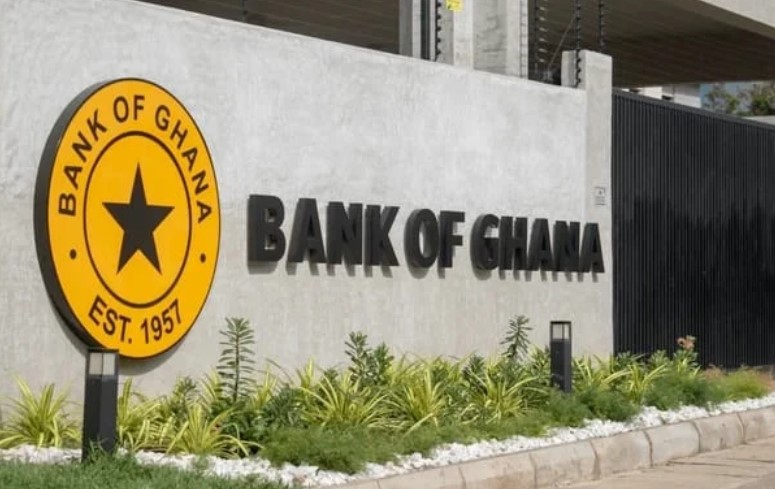
The Bank of Ghana has directed Mobile Money Fintech Limited (MMFL) to suspend its planned 0.75 percent fee on wallet-to-bank transfers, just days before the new charge was scheduled to take effect on June 1, 2026.
The central bank’s intervention temporarily halts the proposed fee pending further consultations with key industry stakeholders and government institutions. Officials say the suspension is intended to allow broader discussions on the potential impact of the policy on Ghana’s rapidly growing digital finance ecosystem.
According to reports, the Bank of Ghana moved swiftly to prevent the new charge from discouraging the use of digital financial services. Regulators are concerned that additional transfer fees could push consumers away from mobile money platforms and electronic payments, potentially driving more people back toward cash transactions.
Sources familiar with the matter also indicate that MMFL had not received final regulatory approval from the central bank before publicly announcing the fee to consumers. The development reportedly raised concerns within regulatory circles over compliance and oversight procedures in the country’s digital payments sector.
The suspension comes amid growing public dissatisfaction over rising digital transaction costs in Ghana. Many users had already expressed frustration over a recently introduced 1 percent processing charge linked to the country’s new electronic visa (e-Visa) platform, with critics arguing that the combined fees risk making mobile transactions increasingly expensive for ordinary citizens.
MMFL had planned to apply the 0.75 percent charge whenever users transferred money directly from their mobile money wallets into traditional bank accounts. The company defended the proposed fee, explaining that it was designed to help offset operational and infrastructure costs associated with maintaining the service.
However, following the Bank of Ghana’s directive, customers will continue to perform wallet-to-bank transfers under the current pricing structure while policymakers and regulators reassess the proposed charge.
The latest development highlights the growing tension between expanding digital financial infrastructure and maintaining affordable access to electronic payment systems as Ghana continues its push toward a cash-lite economy.
Source: Omanghana