Omanghana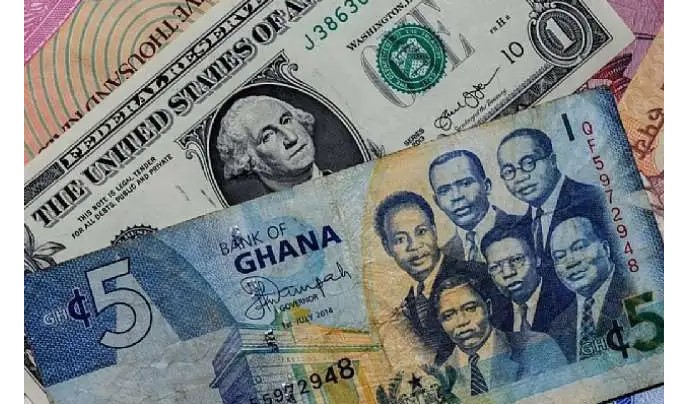
Ghanaian cedi weakened by 8.4% against the US dollar during the first five months of 2026, falling from an average rate of GH¢10.95 in January to GH¢11.4125 by mid-May, according to the latest data from the Bank of Ghana.
The May 2026 Summary of Economic and Financial Data shows that this depreciation is more pronounced than the 6.6% decline recorded over the same period in 2025, signaling renewed pressure on the local currency despite improving macroeconomic fundamentals.
Cedi Performance in Global Markets
Market data indicates that the cedi has remained under steady pressure across major foreign currencies. As of mid-May 2026, it trades at approximately GH¢11.4125 per US dollar, reflecting a continued downward drift throughout the year.
Against other major currencies, the cedi has also weakened:
- British pound: down 7.5% year-to-date, trading at GH¢15.2055
- Euro: down 7.5% year-to-date, trading at GH¢13.2695
However, retail foreign exchange markets show a contrasting trend. At local forex bureaus, the cedi has reportedly strengthened by about 1.67% since January, with retail dollar rates averaging around GH¢12.10.
Strong Macro Indicators Amid Currency Weakness
The currency depreciation comes at a time when Ghana’s broader economic indicators are showing significant improvement.
The country recorded a strong $5.28 billion trade surplus as of April 2026, largely driven by robust earnings from gold and oil exports. This external position has helped stabilize overall economic sentiment.
At the same time, Ghana’s foreign reserve position has strengthened considerably. Gross International Reserves rose to $14.42 billion, providing roughly six months of import cover and reinforcing the country’s external buffer against shocks.
Inflation has also eased dramatically. Consumer price inflation fell to 3.4% in April 2026, down from 18.4% a year earlier, marking one of the sharpest disinflation cycles in recent years.
What Is Driving the Cedi’s Weakness?
Despite strong headline indicators, analysts and central bank data point to underlying market dynamics that are offsetting macroeconomic gains.
One of the key pressures is large-scale corporate capital outflows. Multinational companies and foreign investors are increasingly repatriating profits, creating sustained demand for US dollars and other hard currencies.
In addition, the government has faced rising foreign currency obligations linked to legacy energy sector debts, adding further pressure on external liquidity.
Unlike the sharp currency shocks seen in previous years, analysts describe the 2026 depreciation as a gradual and steady adjustment rather than a panic-driven collapse.
Broader Currency Trends
The cedi’s weakness is not isolated to the US dollar. Its decline is consistent across most major international currencies, reflecting broad-based demand pressures in the foreign exchange market.
However, the divergence between interbank rates and retail forex bureau pricing highlights ongoing segmentation in Ghana’s currency market, with differing supply-demand dynamics shaping exchange rates at various levels of the economy.
Economists say the current trend underscores the complexity of exchange rate stability, where strong macro fundamentals do not always translate immediately into currency appreciation when capital flows and corporate demand remain heavily dollarized.
Source: Omanghana