Omanghana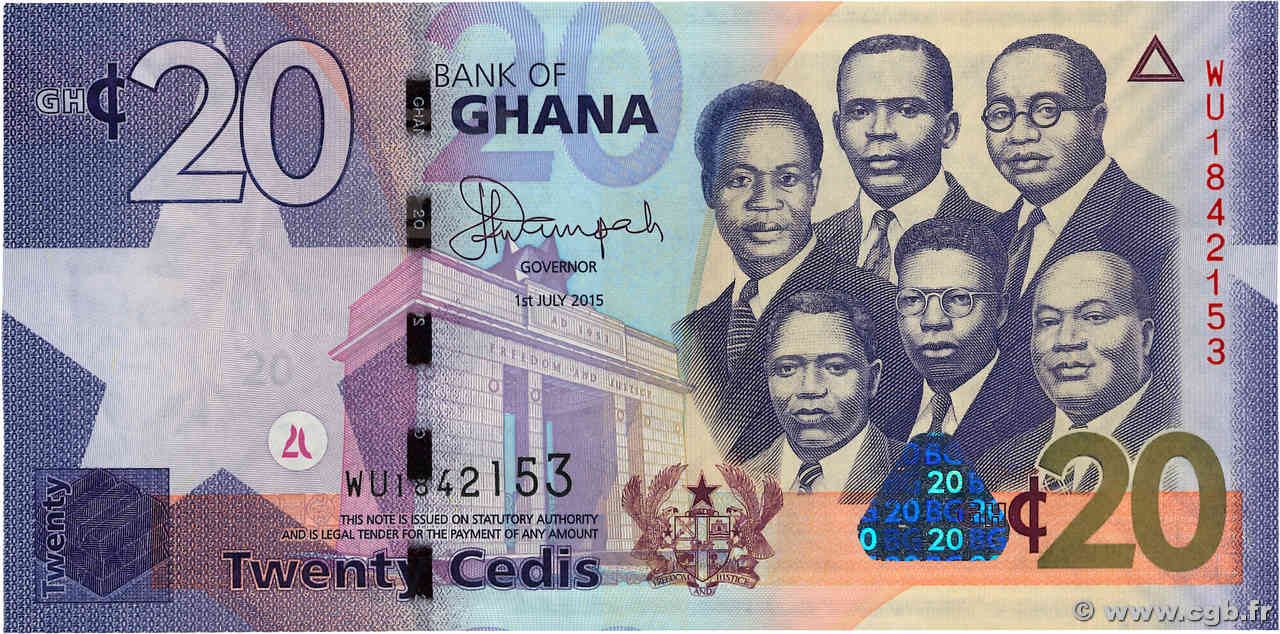
Ghana’s national currency, the Ghanaian cedi, has officially emerged as the worst-performing currency in West Africa and the weakest in sub-Saharan Africa so far in 2026, according to new market data compiled by the London Stock Exchange Group and Reuters. Despite signs of improving macroeconomic stability earlier in the year, the cedi has continued to weaken sharply against the U.S. dollar, intensifying concerns over inflation, import costs, and the country’s broader economic outlook.
Market figures indicate that the cedi recorded a year-to-date depreciation of approximately 10.28 percent by early May 2026. The currency reportedly opened the year trading around GH¢11.36 to the U.S. dollar before sliding further to close last week near GH¢11.61, reflecting sustained pressure on Ghana’s foreign exchange market.
Analysts attribute the persistent depreciation primarily to overwhelming demand for dollars from major sectors of the economy, particularly energy and import-dependent industries. Oil importers and energy-sector companies continue to require large volumes of foreign exchange to settle international fuel and operational payments, creating structural demand for U.S. dollars that significantly exceeds local supply.
At the same time, importers of fast-moving consumer goods, pharmaceuticals, industrial materials, and other foreign products are continuing to draw heavily on Ghana’s limited dollar reserves in order to maintain inventories and meet domestic demand. Economists note that Ghana’s strong reliance on imported goods has left the economy highly vulnerable to foreign exchange instability and external price shocks.
Financial market observers also point to monetary policy adjustments and evolving investor behavior as contributing factors behind the cedi’s decline. Gradual interest rate reductions by the Bank of Ghana, combined with shifts in government spending patterns and liquidity management, have reportedly altered capital flows and investor incentives within the financial system. These developments have allowed the U.S. dollar to exert greater pressure on local liquidity conditions, weakening the cedi further.
The rapid depreciation is already having visible consequences for ordinary consumers and businesses across the country. Because Ghana imports a substantial share of its fuel, food products, pharmaceuticals, machinery, and industrial inputs, a weaker cedi immediately increases the local cost of foreign goods. This has intensified inflationary pressures and contributed to rising living expenses for households already struggling with high transportation, energy, and commodity prices.
Economists warn that the sustained weakening of the currency could further erode purchasing power and place additional strain on businesses dependent on imported raw materials. Sectors such as manufacturing, retail, healthcare, and transportation are expected to face increased operating costs if exchange rate volatility continues.
The cedi’s performance now places it behind all other major regional currencies in terms of depreciation against the U.S. dollar. Financial analysts note that the currency has weakened significantly more than the CFA franc used across several West and Central African countries, where monetary stability is partly supported through a shared currency framework linked to the euro.
While government officials continue to highlight improvements in inflation management, debt restructuring efforts, and broader macroeconomic indicators, financial experts caution that stabilizing the cedi will likely require stronger foreign exchange inflows, improved export performance, reduced import dependence, and tighter coordination between fiscal and monetary policies.
The growing disparity between macroeconomic reform progress and the cedi’s ongoing decline has fueled renewed public debate over Ghana’s long-term economic resilience, particularly as households and businesses continue to absorb the real-world impact of currency depreciation through higher prices and reduced purchasing power.
Source: Omanghana