Omanghana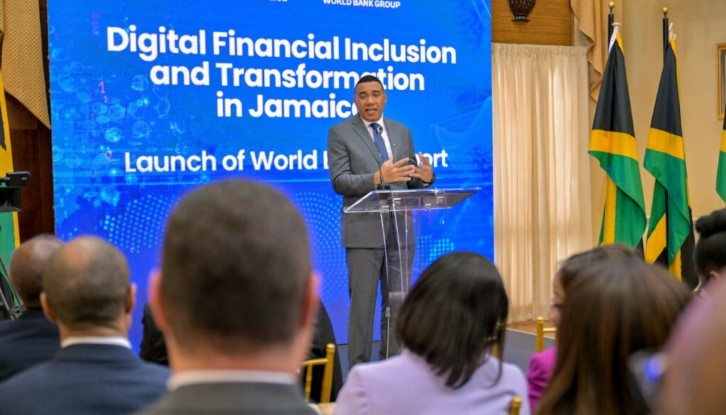
Jamaica is facing a significant gap between consumer demand for digital payments and the infrastructure needed to support a cashless economy, according to a recent study by Mastercard. While an overwhelming majority of Jamaicans are eager to embrace digital financial services, inadequate merchant infrastructure and high operating costs continue to keep cash at the center of daily transactions.
The study found that 92% of Jamaicans would like more local businesses to accept digital payments. Despite this strong demand, 72% of everyday transactions are still conducted using physical cash, highlighting the challenges preventing wider adoption of electronic payment systems.
A major obstacle is the limited availability of point-of-sale (POS) terminals across the country. Only 8% of small merchants currently have card payment terminals, leaving many consumers with little choice but to rely on cash for purchases. This shortage is particularly evident among micro-businesses and neighborhood shops, where digital payment acceptance remains uncommon.
The lack of merchant adoption has contributed to Jamaica’s slower transition toward digital finance compared to other countries in the region. On average, Jamaicans conduct approximately 50 digital transactions per adult each year, significantly below the regional average of 150 transactions across Latin America and the Caribbean.
According to recent findings from the World Bank, Jamaica continues to trail many of its regional peers in reducing cash dependence, despite the country’s relatively strong financial inclusion rate. An estimated 73.3% of Jamaicans have access to banking services, suggesting that access to financial accounts is not the primary barrier to digital payment growth.
Industry experts point to high merchant costs, slow adoption rates, and concerns about system reliability as key factors limiting progress. Recent technology upgrades and disruptions caused by natural events, including Hurricane Melissa, have occasionally resulted in network interruptions and transaction delays. These experiences have reinforced the perception among many consumers and businesses that cash remains the most dependable payment option during emergencies.
The findings underscore what analysts describe as an “implementation gap” in Jamaica’s digital economy. While public trust in electronic payment platforms remains high, the supporting infrastructure has not expanded quickly enough to meet consumer expectations.
As policymakers and financial institutions continue efforts to modernize the country’s payment ecosystem, expanding POS terminal access, reducing merchant costs, and improving network reliability are expected to be critical steps toward accelerating Jamaica’s transition to a more digital and inclusive economy.
Source: Omanghana