Omanghana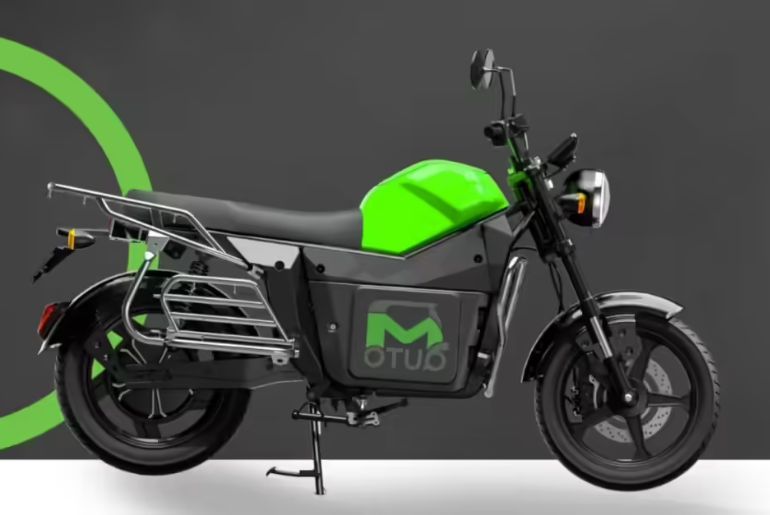
In a landmark achievement for sustainable transport in Africa, a team of engineers from Stellenbosch University and the Kenyan startup Roam completed a 6,000-kilometer solar-powered journey from Nairobi to Stellenbosch. The expedition, carried out in 2024, showcased the potential of locally developed electric mobility solutions tailored to the continent’s unique conditions.
The journey, which lasted 17 days, passed through six countries: Kenya, Tanzania, Malawi, Zambia, Botswana, and South Africa. At the center of the expedition was the Roam Air, a locally manufactured electric motorcycle designed specifically for African roads and usage patterns. The bike was powered entirely by solar energy supported by battery storage, demonstrating that electric transport can function effectively even in regions with limited or unreliable electricity infrastructure.
Throughout the trip, the team recorded several impressive performance milestones. The motorcycle achieved a range of 113 kilometers on a single charge and, during the final leg of the journey, covered 1,000 kilometers in under 18 hours. On average, the team traveled approximately 400 kilometers per day, highlighting both the reliability and endurance of the technology. The entire expedition has been documented in a seven-episode series titled Recharging Hope, offering insights into the journey and its broader significance.
Beyond the technical accomplishment, the project underscores a larger vision for Africa’s transportation future. It demonstrates that the continent has the capacity to develop its own electric mobility solutions rather than relying on imports designed for different markets. With an estimated 27 million motorcycles currently in use across Africa—of which only a small fraction are electric—the shift toward electrification presents a major economic opportunity.
Adopting electric motorcycles could reduce total ownership costs for riders by as much as 35 to 40 percent, while also delivering significant environmental benefits. Transitioning to electric models like the Roam Air has the potential to cut carbon emissions by up to 85 percent, contributing to global climate goals.
The initiative also highlights the importance of local manufacturing and innovation. By producing electric vehicles within the continent, countries can create jobs in assembly, electronics, and battery integration, while strengthening regional supply chains. At the same time, decentralized solar charging systems, including mini-grids, offer a sustainable and scalable solution for powering electric mobility across both urban and rural areas.
The successful journey stands as a powerful demonstration of Africa’s capacity to lead in clean transportation, combining innovation, sustainability, and practical solutions to meet the continent’s evolving mobility needs.
Source: Omanghana