Omanghana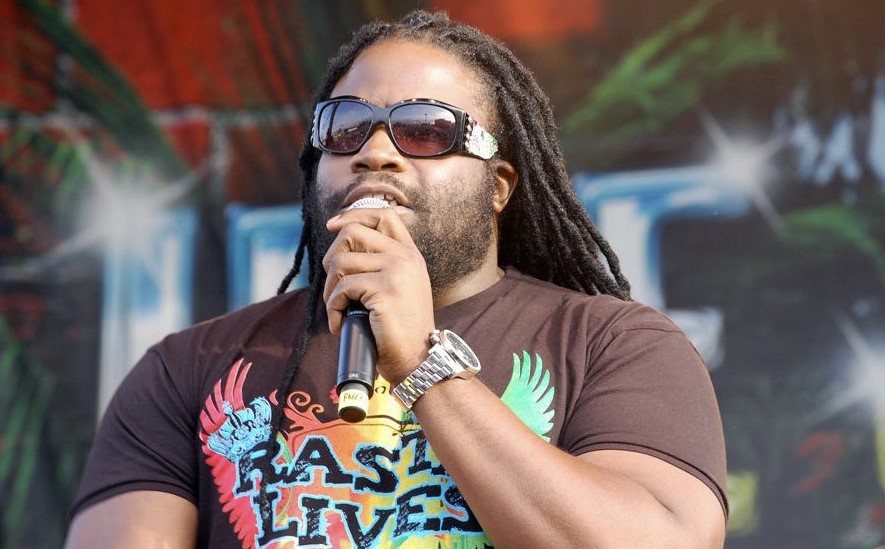
International reggae artist and Grammy Award-winning musician Gramps Morgan has disclosed that a DNA ancestry test has confirmed he is 46 percent Ghanaian, a revelation he says has profoundly deepened his connection to Africa and his personal identity.
The Jamaican singer shared the discovery during a high-profile appearance in Accra, Ghana, where he performed at a major international gathering focused on historical justice and African diaspora engagement.
Revelation Made on Global Stage in Accra
Gramps Morgan made the announcement on Thursday, June 18, 2026, during his performance at the High-Level Consultative Conference on “Next Steps”, held under the United Nations framework addressing the legacy of enslaved Africans.
Addressing an audience that included global leaders, diplomats, and cultural figures, the Morgan Heritage frontman explained that his decision to undergo genealogical testing was part of a broader personal journey to trace his ancestral roots.
He described the findings as particularly meaningful given his family history as part of the African diaspora shaped by the transatlantic slave trade.
Personal Reflection on Ancestry and Identity
Morgan noted that the DNA results provided long-sought clarity about his lineage, strengthening his emotional and cultural connection to Africa. He described the experience as both deeply personal and historically significant, linking his family’s story to centuries of forced displacement and migration.
The artist’s remarks aligned closely with the summit’s central theme, which focused on historical accountability and reparatory justice for descendants of enslaved Africans.
Support for Reparatory Justice Efforts
Following his revelation, Gramps Morgan reaffirmed his support for global calls for reparatory justice, a movement currently being advanced by several African and Caribbean nations in international forums.
His comments echoed broader discussions at the Accra conference, where leaders emphasized the importance of addressing historical injustices through coordinated global action, cultural recognition, and policy reform.
DNA Evidence and Diaspora Connections
Morgan’s findings also reflect wider genealogical research trends that highlight strong ancestral links between the Caribbean and West Africa. Studies from genetic ancestry platforms have consistently shown that many Jamaicans trace significant portions of their lineage to regions that include present-day Ghana and Nigeria, shaped by historical routes of the transatlantic slave trade.
These connections continue to influence cultural identity, music, language, and heritage across the African diaspora.
Strengthening Cultural Ties with Ghana
Beyond genetics, Gramps Morgan has also developed formal ties with Ghana. Earlier in 2026, he was appointed as a Development Chief in Ghana, a symbolic title recognizing his contributions to cultural exchange and his advocacy for stronger economic and artistic collaboration between Jamaica and West Africa.
His dual role as both cultural ambassador and diasporic descendant has further positioned him as a prominent voice in discussions about heritage, identity, and reconciliation between Africa and its global diaspora.
A Symbol of a Larger Diaspora Narrative
Gramps Morgan’s revelation adds to a growing number of diaspora figures using DNA testing to reconnect with African roots, reinforcing long-standing historical links between the continent and communities formed through the transatlantic slave trade.
As conversations around reparatory justice and cultural reconnection continue to gain momentum, his story highlights the personal dimension of a broader global movement centered on identity, memory, and historical acknowledgment.
Source: Omanghana