Omanghana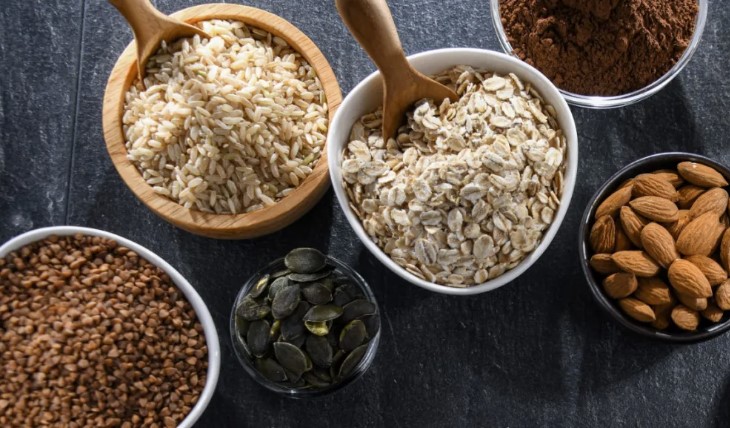
For millions of people living with high blood pressure, improving heart health may begin with a simple change at the dinner table. Nutrition experts and clinical dietitians say magnesium-rich foods can play a significant role in lowering blood pressure by helping blood vessels relax and improving overall cardiovascular function.
While magnesium is not a replacement for prescribed treatment when medication is needed, research continues to highlight its importance as part of a heart-healthy diet. Experts emphasize that the mineral works most effectively when combined with other healthy lifestyle habits and dietary strategies.
Why Magnesium Matters for Blood Pressure
Magnesium is an essential mineral involved in hundreds of biological processes throughout the body, including those that regulate heart function, muscle activity, and blood vessel health.
According to dietitians, one of magnesium’s most important cardiovascular benefits is its ability to act as a natural vasodilator, helping blood vessels widen and allowing blood to circulate more efficiently.
Helps Relax Blood Vessels
Magnesium functions in a way that resembles a natural calcium channel blocker.
Calcium encourages muscle contraction, including within the walls of blood vessels. Magnesium helps limit the amount of calcium entering these muscle cells, allowing blood vessels to relax and expand. This reduction in vascular tension can contribute to lower blood pressure levels.
Boosts Nitric Oxide Production
The mineral also supports the production of nitric oxide, a naturally occurring molecule that signals blood vessels to widen.
Higher nitric oxide availability improves circulation and reduces resistance within the cardiovascular system, making it easier for the heart to pump blood throughout the body.
Supports Healthy Electrolyte Balance
Magnesium plays a key role in maintaining the balance of important electrolytes, including sodium, calcium, and potassium.
By helping regulate these minerals, magnesium contributes to healthier blood pressure control and overall cardiovascular stability.
Best Magnesium-Rich Foods to Eat
Health professionals generally recommend obtaining magnesium through whole foods rather than relying solely on supplements.
Whole-food sources provide additional nutrients such as fiber, vitamins, antioxidants, and other minerals that work together to support heart health.
Leafy Green Vegetables
Dark leafy greens are among the richest natural sources of magnesium.
Top choices include:
- Spinach
- Swiss chard
- Kale
Nuts and Seeds
Nuts and seeds provide concentrated amounts of magnesium and healthy fats.
Excellent options include:
- Pumpkin seeds
- Chia seeds
- Almonds
- Cashews
Pumpkin seeds are particularly notable for containing some of the highest magnesium levels among commonly consumed foods.
Legumes
Beans and legumes are nutrient-dense foods that contribute both magnesium and heart-healthy fiber.
Examples include:
- Black beans
- Lentils
- Chickpeas
- Edamame
Whole Grains
Replacing refined grains with whole grains can significantly increase magnesium intake.
Healthy choices include:
- Quinoa
- Brown rice
- Oats
- Whole wheat products
Fatty Fish
Certain fish provide magnesium alongside beneficial omega-3 fatty acids, which have been linked to reduced inflammation and improved cardiovascular health.
Good sources include:
- Salmon
- Mackerel
- Halibut
Other Heart-Healthy Favorites
Several popular foods can also contribute meaningful amounts of magnesium, including:
- Avocados
- Dark chocolate containing at least 70% cocoa
These foods can be enjoyed in moderation as part of a balanced eating plan.
The DASH Diet: A Proven Strategy for Lowering Blood Pressure
Dietitians rarely focus on magnesium alone when advising patients with hypertension.
Instead, many recommend the DASH Diet (Dietary Approaches to Stop Hypertension), one of the most extensively researched eating plans for blood pressure management.
The DASH approach emphasizes:
- Fruits and vegetables
- Whole grains
- Lean proteins
- Low-fat dairy products
- Nuts, seeds, and legumes
- Reduced sodium intake
This dietary pattern naturally increases magnesium, potassium, and calcium intake while limiting excess salt consumption.
Research has shown that following the DASH Diet can significantly reduce blood pressure, with some individuals experiencing reductions comparable to those achieved with certain blood pressure medications.
Food First, Supplements Second
Although magnesium supplements are widely available, experts generally encourage people to prioritize dietary sources whenever possible.
The body is typically able to regulate magnesium obtained from food efficiently, with excess amounts excreted through the kidneys.
Potential Side Effects of Supplements
High-dose magnesium supplements can cause unwanted side effects, including:
- Diarrhea
- Nausea
- Stomach cramps
- Digestive discomfort
Medication Interactions
Magnesium supplements can also interfere with the absorption or effectiveness of certain medications, including:
- Some antibiotics
- Certain diuretics
- Specific blood pressure medications
Individuals taking prescription medications should consult a healthcare professional before beginning supplementation.
Extra Caution for Kidney Disease Patients
People with kidney disease should be especially cautious with magnesium supplements.
Because impaired kidneys may struggle to eliminate excess magnesium, supplementation without medical supervision can increase the risk of potentially serious complications.
A Simple Addition With Powerful Benefits
Magnesium may not receive as much attention as sodium or cholesterol when discussing heart health, but its impact on blood pressure regulation is increasingly recognized by nutrition experts.
Incorporating more magnesium-rich foods into daily meals can support healthier blood vessels, improve circulation, and contribute to better cardiovascular outcomes over time.
Combined with a balanced eating plan such as the DASH Diet, regular physical activity, and appropriate medical care, magnesium can be a valuable part of a comprehensive strategy for managing blood pressure and protecting long-term heart health.
Source: Omanghana