Omanghana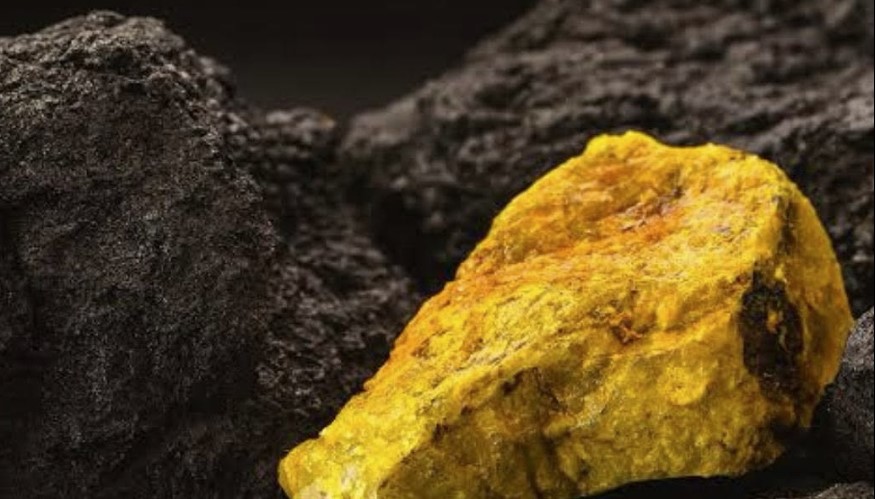
Africa is playing an increasingly pivotal role in the global competition for uranium as countries seek to secure reliable supplies of nuclear fuel amid rising demand for nuclear energy and shifting geopolitical alliances. Major producers such as Namibia, Niger, and South Africa account for a significant share of the world’s uranium output, attracting heightened interest from global powers looking to strengthen their long-term energy security.
As Western nations seek to diversify supply chains and reduce dependence on traditional sources of enriched nuclear fuel, competition for access to Africa’s uranium reserves has intensified, with countries including France, China, and Russia expanding their strategic engagement across the continent.
Niger’s Political Shift Reshapes the Uranium Landscape
Niger has become a focal point of this competition following its political realignment after the 2023 military coup. The country has historically been a major supplier of uranium to France, whose electricity generation relies heavily on nuclear power.
In 2026, Niger’s military-led government moved to cancel a decades-old uranium mining concession held by the French state-backed company Orano at the Arlit deposit, signaling a significant shift in the country’s resource policy.
At the same time, Russia’s state nuclear corporation, Rosatom, has sought to strengthen its presence in Niger’s mining sector, with reports indicating growing interest in securing future uranium supplies. Meanwhile, France has explored alternative partnerships elsewhere in Africa as it seeks to diversify its sourcing options.
Namibia Strengthens Its Position as a Leading Producer
Namibia remains Africa’s largest uranium producer and one of the world’s most important suppliers. Its stable investment environment has attracted substantial foreign investment, particularly from Chinese companies.
Chinese state-owned enterprises have established significant interests in major uranium operations, including the Husab and Rössing mines, providing Beijing with long-term access to fuel for its expanding fleet of nuclear power plants and reinforcing Namibia’s strategic importance in the global energy market.
South Africa Eyes Expanded Production
South Africa possesses some of Africa’s largest uranium resources and has longstanding mining expertise supported by extensive industrial infrastructure. Much of the country’s uranium production is linked to its gold mining industry, where the mineral is recovered as a byproduct.
With global uranium prices strengthening in recent years, South African mining companies are increasingly evaluating opportunities to expand production and capitalize on growing international demand.
The country’s membership in the BRICS grouping has also heightened interest in its mineral resources among key partners, particularly as nations seek to secure diversified supply chains for future nuclear energy development.
Tanzania Gains Momentum in East Africa
The competition for uranium resources is also extending into East Africa. In Tanzania, Rosatom has renewed efforts to develop the Mkuju River uranium project after years of limited activity.
The launch of pilot processing operations and plans for substantial new investment have raised expectations that Tanzania could emerge as an important uranium exporter over the coming years, further strengthening Africa’s role in the evolving global nuclear fuel market.
Rising Strategic Importance
As governments around the world pursue low-carbon energy solutions and expand nuclear generation capacity, Africa’s uranium reserves are becoming increasingly valuable. The continent’s resource-rich nations are expected to play a central role in meeting future demand while balancing investment opportunities, national development priorities, and geopolitical interests.
With competition among major powers intensifying, the race to secure long-term uranium supplies is likely to remain a defining feature of the global energy landscape for years to come.
Source: Omanghana