Omanghana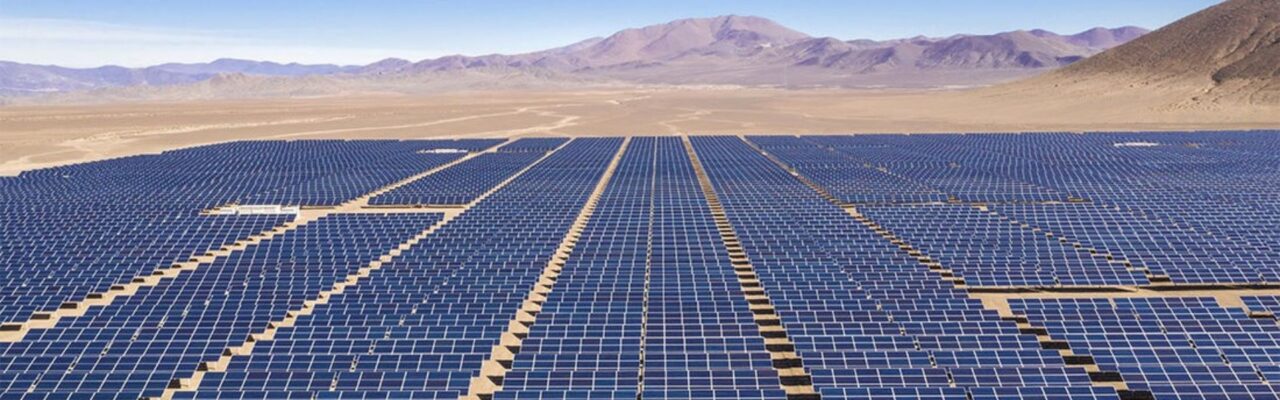
Africa is undergoing a rapid and large-scale shift toward a green energy economy, with solar, wind, and decentralized power systems increasingly replacing traditional fossil-fuel-dependent grids. According to the International Energy Agency (IEA), the continent holds more than 60% of the world’s best solar energy potential, positioning it as a central player in the global renewable energy transition.
However, analysts say the most important transformation is not simply technological—it is structural. Across Africa, energy systems are being redesigned in how they are financed, deployed, and distributed, moving away from centralized utilities toward flexible, decentralized models.
Rather than relying on slow-moving national grid expansions, many countries are increasingly embracing off-grid and modular energy solutions to meet growing demand.
This shift is driving what industry experts describe as an “invisible solar boom.” While official statistics record approximately 23.4 gigawatts of centralized solar installations across the continent, trade data from Chinese customs suggests that more than 58 gigawatts worth of solar panels have been exported to Africa. This gap indicates that a significant portion of solar deployment is occurring outside formal national grid reporting systems, particularly through private and commercial installations.
Large industrial users are also bypassing national utilities altogether to secure reliable power supply.
In the Democratic Republic of Congo, for example, the Kamoa-Kakula copper mining complex is developing a 233-megawatt hybrid solar and battery storage facility designed exclusively to power its operations. The project reflects a broader trend in which energy-intensive industries are building independent generation systems to avoid grid instability.
At the same time, energy companies are consolidating to scale decentralized access. Firms such as Ignite Power have expanded their reach through major acquisitions, including ENGIE Energy Access, creating integrated distribution and mobile payment networks serving over 20 million customers across 12 African countries.
Despite rapid progress, Africa’s energy transformation continues to face significant structural challenges.
One of the most pressing issues is grid connectivity. According to the IEA’s Electricity 2026 outlook, weak transmission infrastructure remains a major bottleneck, preventing large amounts of renewable energy from being fully integrated into national systems.
Transmission losses also remain high. Across the continent, an estimated 16% of electricity is lost during distribution—nearly double the global average. In countries such as Nigeria, installed generation capacity significantly exceeds usable output, with only around 5 gigawatts effectively delivered despite more than 13 gigawatts of installed capacity.
Experts also highlight the persistence of aging infrastructure, often described as “zombie energy systems,” where outdated, under-maintained grids force countries to rely on expensive diesel generators and emergency fossil-fuel solutions during outages.
Across Africa, governments are adopting distinct strategies tailored to their domestic energy needs and resources.
In South Africa 🇿🇦, regulatory reforms have eased restrictions on private electricity generation to encourage industrial-scale renewable investments, although grid limitations continue to delay the retirement of aging coal plants.
Zambia 🇿🇲 has signed a $1.5 billion clean energy partnership with China to develop 300-megawatt hybrid wind and solar projects under a public-private framework.
Ethiopia 🇪🇹 has taken one of the continent’s most aggressive regulatory steps by banning imports of internal combustion engine vehicles, accelerating the transition toward electric mobility and supporting infrastructure development.
Kenya 🇰🇪 continues to rely heavily on geothermal and wind energy, including major contributions from the Lake Turkana Wind Power project, though transmission constraints still limit full system efficiency.
One of the biggest barriers to Africa’s renewable energy expansion remains the high cost of capital. International lenders often classify African infrastructure as high-risk, resulting in financing costs that can be up to three times higher than those in developed economies.
To address this gap, global institutions including the World Bank and the African Development Bank have partnered under “Mission 300,” an initiative aimed at mobilizing concessional financing and private investment to expand electricity access to 300 million Africans by 2030.
As investment, technology, and policy continue to converge, Africa’s energy landscape is evolving faster than traditional infrastructure models can accommodate. While challenges remain, the continent’s shift toward decentralized and renewable energy systems signals one of the most significant structural transformations in global energy development today.
Source: Omanghana