Omanghana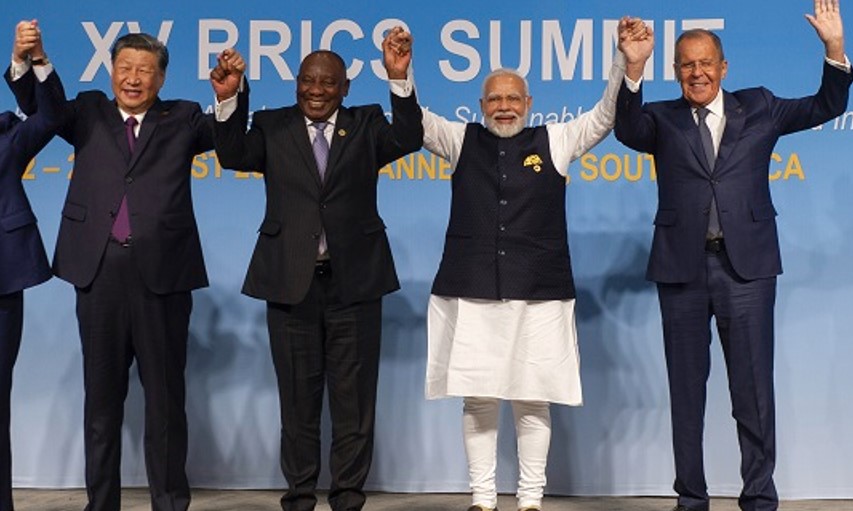
The BRICS-backed New Development Bank (NDB) has approved a loan of up to $1 billion (approximately R18 billion) to support the rehabilitation and modernization of municipal infrastructure across South Africa’s largest metropolitan areas.
The funding, announced after a meeting of the NDB’s Board of Directors in Shanghai, is intended to strengthen essential public services in eight major metropolitan municipalities that collectively serve more than 22 million people. The initiative aims to address persistent infrastructure challenges affecting water supply, electricity distribution, sanitation, and waste management.
Infrastructure Upgrade Program
The financing will be channeled through the Program for Upgrade of Infrastructure in Metropolitan Municipalities (PUIMM), a national initiative designed to complement existing grants provided by South Africa’s National Treasury.
According to the plan, the funds will be invested in four key sectors:
- Water Supply: Rehabilitating aging pipelines, reservoirs, and distribution systems to improve reliability and reduce service interruptions.
- Sanitation and Wastewater: Upgrading sewage infrastructure and wastewater treatment facilities to improve environmental and public health outcomes.
- Electricity Distribution: Modernizing substations and local distribution networks to enhance grid stability and efficiency.
- Solid Waste Management: Strengthening refuse collection systems and improving waste disposal infrastructure across metropolitan areas.
Eight Metropolitan Municipalities to Benefit
The program will target South Africa’s principal urban centers, many of which serve as major economic and commercial hubs.
The beneficiary municipalities include:
- Gauteng Province: Johannesburg, Tshwane (Pretoria), and Ekurhuleni
- Western Cape: Cape Town
- KwaZulu-Natal: eThekwini (Durban)
- Eastern Cape: Nelson Mandela Bay (Gqeberha) and Buffalo City (East London)
- Free State: Mangaung (Bloemfontein)
These cities account for a significant share of the country’s population and economic activity, making infrastructure improvements critical to both service delivery and long-term development.
Addressing Long-Standing Challenges
South Africa’s metropolitan municipalities have faced mounting pressure from aging infrastructure, financial constraints, and governance challenges that have affected the delivery of essential public services.
Recurring water shortages, electricity distribution problems, deteriorating wastewater systems, and waste management issues have increasingly impacted residents and businesses, prompting calls for greater investment in local infrastructure.
The government has acknowledged that many municipalities require substantial intervention to restore operational efficiency and improve service delivery.
Support from the BRICS Development Institution
The New Development Bank, established by the BRICS nations—Brazil, Russia, India, China, and South Africa—was created to finance infrastructure and sustainable development projects in emerging economies.
The approved loan is expected to provide South Africa with additional resources to modernize critical municipal infrastructure while complementing domestic funding efforts. By leveraging multilateral financing, the country can pursue large-scale capital projects aimed at strengthening urban resilience and supporting future economic growth.
Source: Omanghana