Omanghana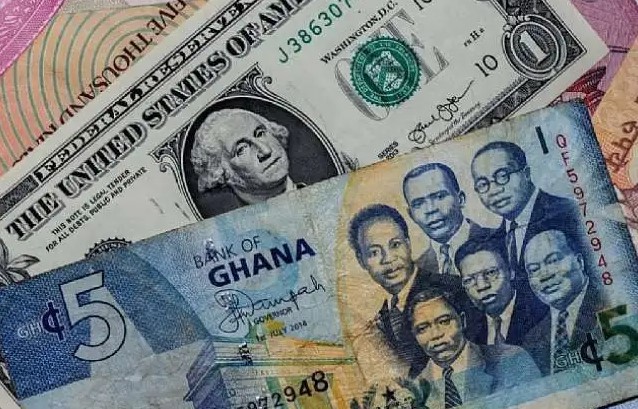
As of April 12, 2026, the Ghanaian cedi is maintaining a period of relative stability against the U.S. dollar, trading at approximately GH¢11.12. Although the currency experienced a slight dip in mid-April, analysts describe the movement as part of a broader “cooling period” marked by low volatility rather than any significant weakening. This stability reflects a combination of improved market sentiment, balanced foreign exchange flows, and ongoing policy support aimed at strengthening Ghana’s macroeconomic environment.
At the interbank level, the Bank of Ghana recorded a mid-rate of GH¢11.03 to the dollar on April 10, representing only a marginal shift from previous trading sessions. This steady positioning in the official market has helped anchor expectations and reduce speculative pressure on the currency. Across the commercial banking sector, major institutions such as Stanbic Bank Ghana and GCB Bank are quoting selling rates within a relatively narrow band of GH¢11.15 to GH¢11.60, indicating consistency in pricing and confidence in near-term currency stability.
In the retail segment, foreign exchange bureaus are offering slightly higher rates, with the dollar reaching levels of around GH¢11.68. This spread between official and retail markets is typical and reflects transaction costs, localized demand pressures, and varying liquidity conditions. Despite this, the overall gap remains contained, suggesting that the currency market is functioning without significant distortions.
A key factor supporting the cedi’s stability is the balance between foreign exchange inflows and demand. Remittances from Ghanaians abroad continue to provide a steady stream of foreign currency, helping to offset demand from import-dependent businesses and corporate entities. These inflows have played a crucial role in easing pressure on the cedi, particularly in a global environment where many emerging market currencies face heightened volatility.
Investor confidence has also been reinforced by financial support from the International Monetary Fund. The $385 million disbursement received in December 2025 has contributed to improved reserves and strengthened confidence in Ghana’s economic recovery program. This backing has signaled policy discipline and commitment to fiscal reforms, both of which are critical in maintaining currency stability over the medium term.
However, external factors continue to pose risks. Elevated global oil prices and ongoing geopolitical tensions in the Middle East are contributing to increased demand for foreign exchange, as Ghanaian importers—especially in the energy sector—seek to secure dollars for transactions. This “buying pressure” has the potential to test the cedi’s resilience if sustained over time, particularly if global conditions remain uncertain.
Overall, the cedi’s current performance reflects a delicate balance between supportive domestic factors and persistent external headwinds. While the near-term outlook remains stable, analysts caution that maintaining this trajectory will depend on continued inflows, disciplined economic management, and the evolution of global market conditions.
Source: Omanghana