Omanghana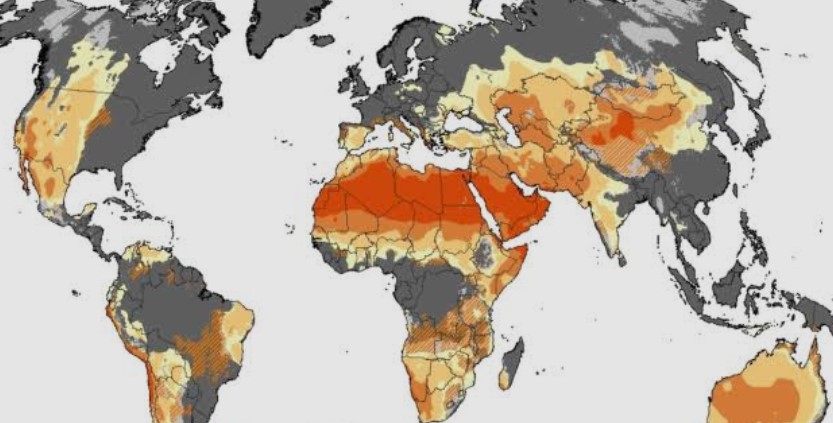
Environmental economist has warned that food insecurity is no longer limited to low-income nations, saying high-income regions including Europe are now increasingly vulnerable to climate-driven agricultural disruptions.
In a report released on May 6, 2026, says extreme heat and what experts describe as “compound climate effects” are placing global food systems under severe strain and pushing agricultural production closer to collapse.
The findings were published alongside a joint report by the Food and Agriculture Organization and the World Meteorological Organization, which highlighted the growing economic and humanitarian risks linked to climate change.
According to the report, extreme heatwaves and droughts in 2023 alone pushed an additional one million people in Europe into food insecurity compared to the 1981–2010 average baseline.
Experts say crops and livestock can only remain productive within specific temperature ranges, but increasingly frequent heat spikes are now regularly exceeding those limits. The result has been widespread crop failures, reduced harvests, and rising livestock deaths across several regions.
The report also noted that extreme heat is contributing to major labor productivity losses globally, with an estimated half a trillion working hours lost annually due to dangerous temperatures.
Agricultural workers are among the hardest hit, as many lack formal contracts or social protections and are often forced to choose between working in hazardous heat conditions or losing their income.
Researchers warned that climate shocks rarely occur in isolation. Heatwaves are increasingly combining with droughts, water shortages, and changing pest patterns to create systemic threats to food production.
One example cited in the report was the destructive locust outbreaks that affected Kyrgyzstan in 2025, which intensified food supply pressures already worsened by extreme weather.
Dasgupta said wealthier nations may initially be able to offset domestic crop failures by importing food, but global supply chains ultimately transmit climate shocks across borders, affecting consumers worldwide.
The economist used the term “heatflation” to describe how rising temperatures are reducing harvest sizes and driving sharp increases in supermarket food prices.
The report added that geopolitical conflicts, including the ongoing Middle East crisis, are worsening climate-related disruptions by interfering with the supply of fertilizers, fuel, and energy needed for agricultural production and transportation.
Without urgent climate adaptation measures, experts warn that as many as 512 million people worldwide could face chronic hunger by 2030.
As governments search for alternatives, many countries are increasingly investing in so-called “blue foods,” including sustainable aquaculture and ocean-based food systems, which are viewed as more climate-resilient alternatives to traditional land-based agriculture.
Source: Omanghana