Omanghana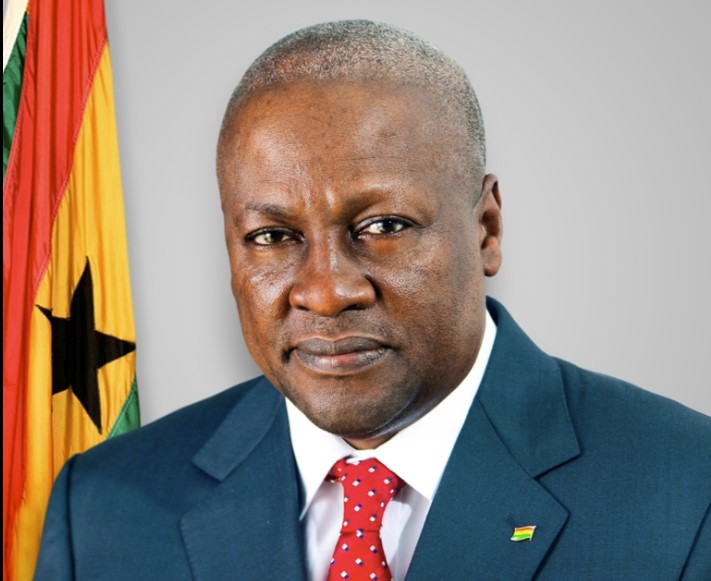
Several major African economies are experiencing improved currency stability, helping to create a more predictable investment environment despite ongoing geopolitical tensions across the region.
In Ghana, the government is prioritizing currency stability as a key economic objective. President John Dramani Mahama stated on April 4, 2026, that maintaining a stable cedi is more important than pursuing excessive strength, as it provides certainty for businesses and investors. The cedi has shown resilience in recent months, trading at around GH¢12.10 in retail markets. This performance has been supported by a $385 million disbursement from the International Monetary Fund in late 2025, along with improved market sentiment. Ghana’s 2026 budget, which targets a primary surplus and a reduced fiscal deficit, is also reinforcing investor confidence and contributing to improved credit ratings.
In Nigeria, macroeconomic recovery efforts are beginning to yield results. The naira has stabilized within a relatively narrow range of N1,340 to N1,430 per dollar in the official market as of early 2026. External reserves have climbed above $50 billion, driven by stronger oil revenues and improved foreign exchange liquidity. The Central Bank of Nigeria has played a crucial role through the implementation of the Electronic Foreign Exchange Matching System (EFEMS), which has significantly reduced the sharp volatility that previously characterized the market.
Meanwhile, Kenya has maintained steady currency performance alongside broader economic resilience. The Kenyan shilling has held firm at around 129 to the dollar for nearly two years as of March 2026. President William Ruto noted that foreign direct investment rose by 15% in 2025, surpassing $2 billion, as the country moved away from the risk of sovereign default. The government has also strengthened its external position by increasing foreign exchange reserves to $14.6 billion, providing approximately 7.5 months of import cover.
Together, these developments point to a growing trend of macroeconomic stabilization across key African markets, offering renewed confidence for investors and signaling a more stable financial outlook for the continent.
Source: Omanghana