Omanghana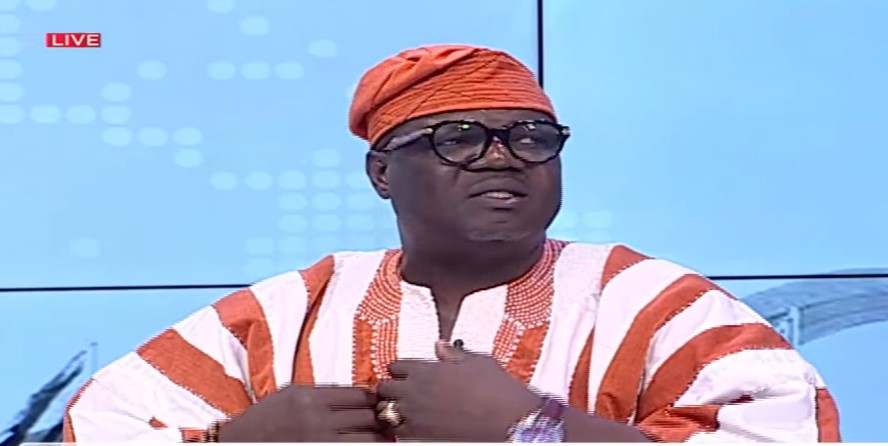
Member of Parliament for South Dayi, Rockson-Nelson Dafeamekpor, has described the highly publicized disagreement between Ghana’s Ministry of Finance and the Ministry of Food and Agriculture (MoFA) as “quite unfortunate,” while rejecting suggestions that the dispute reflects deep divisions within the government.
Speaking on TV3’s The Key Points, Dafeamekpor dismissed claims that the tensions are rooted in political rivalry or competing presidential ambitions involving Finance Minister Cassiel Ato Forson and Agriculture Minister Eric Opoku.
Instead, he argued that the controversy stems from differing interpretations of budget implementation procedures rather than a breakdown in relations between the two ministries.
The disagreement became public after Deputy Finance Minister Thomas Nyarko Ampem announced during the launch of an agricultural compact that the government had released GH¢1.677 billion to the Ministry of Food and Agriculture. According to the Finance Ministry, the amount represented approximately 85 percent of MoFA’s approved budget and was intended to support key agricultural initiatives, including fertilizer programs, poultry development projects, and broader food production efforts.
However, the Ministry of Food and Agriculture quickly challenged the statement, arguing that the figures did not accurately reflect the ministry’s spending reality.
MoFA explained that although a Commitment Authorization had initially been issued, the Finance Ministry later imposed a spending ceiling of GH¢910 million for the first half of 2026. According to the ministry, this cap significantly limited the amount that could actually be utilized, creating a major gap between funds theoretically allocated and funds available for expenditure.
Defending the government’s handling of the matter, Dafeamekpor said the disagreement has been widely misunderstood.
He explained that while the Finance Ministry may officially release funds through budgetary authorization, the actual disbursement process depends on revenue collection and cash flow management by the Controller and Accountant General’s Department. In practice, ministries often receive access to funds progressively as government revenues are mobilized through taxation and other sources.
According to the South Dayi legislator, this distinction between budget releases and actual cash disbursements appears to be at the heart of the misunderstanding.
He therefore urged observers not to interpret the disagreement as evidence of internal government instability or a personal feud between senior ministers.
Despite efforts to calm concerns, several former government officials and policy analysts have warned that prolonged coordination problems between the Finance Ministry and the Agriculture Ministry could have serious consequences for the economy.
Agriculture remains a critical pillar of Ghana’s food security strategy, and delays in funding key programs could affect fertilizer distribution, crop production, livestock development, and broader food supply chains.
Some experts have cautioned that if funding bottlenecks persist, the country could face supply disruptions that trigger significant increases in food prices. Analysts have even warned that the resulting inflationary pressures could resemble the sharp food-price spikes experienced during the COVID-19 era.
The public disagreement has reignited discussions about the need for stronger coordination between government ministries responsible for budgeting and policy implementation.
While Dafeamekpor insists the issue is primarily administrative rather than political, stakeholders continue to call for greater transparency regarding budget releases, spending caps, and actual cash disbursements to ensure that critical agricultural programs proceed without interruption.
As concerns over food security and inflation remain high, many observers believe swift resolution of the dispute will be essential to maintaining confidence in the government’s agricultural agenda and broader economic management.
Source: Omanghana