Omanghana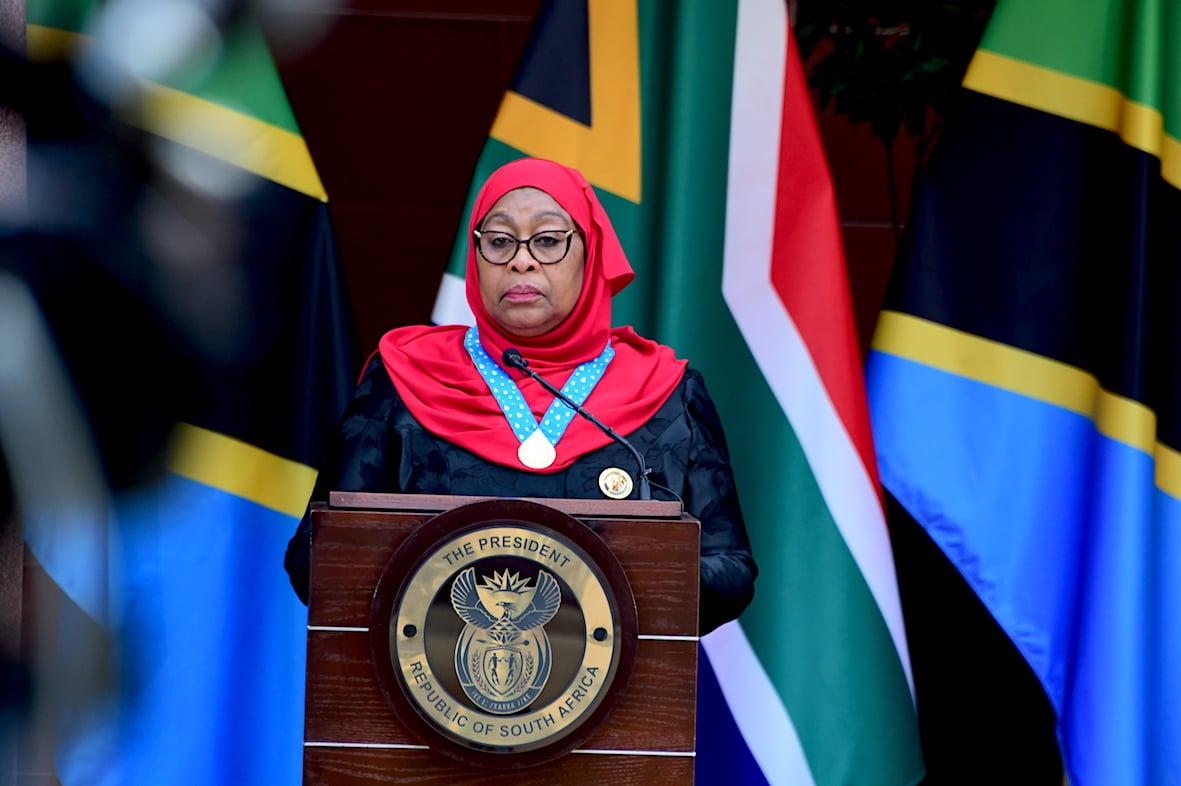
The European Parliament has voted to halt a proposed €156 million (approximately $179 million) funding package for Tanzania, citing growing concerns over democratic backsliding, human rights violations, and political repression following the country’s disputed 2025 general elections.
During a plenary session on Thursday, June 18, 2026, Members of the European Parliament (MEPs) adopted a resolution calling on the European Commission to withdraw its proposed 2026 development action plan for Tanzania. Lawmakers argued that the funding framework lacked adequate safeguards to ensure respect for democratic principles and human rights.
Concerns Over Governance and Human Rights
The decision reflects increasing unease within European institutions over Tanzania’s political trajectory in the aftermath of the October 2025 elections.
According to the resolution, MEPs raised concerns about reports of violence following the polls, including allegations that security forces used excessive force against demonstrators. They also criticized the continued detention of prominent opposition figures, including Tundu Lissu, describing the arrests as politically motivated and inconsistent with democratic norms.
European lawmakers further expressed frustration over Tanzania’s refusal to allow delegations from the European Parliament’s Subcommittee on Human Rights to visit the country on multiple occasions, arguing that the restrictions have hindered independent assessments of the situation on the ground.
Call to Redirect Development Assistance
Rather than ending support for Tanzanian citizens altogether, the European Parliament urged the Commission to redesign future aid programs so that funding reaches communities through independent channels.
Under the proposed approach, financial assistance would be directed toward civil society organizations, grassroots initiatives, and human rights groups instead of being routed through state institutions. Lawmakers said such a strategy would help ensure that development assistance benefits ordinary citizens while promoting accountability and democratic values.
Shifting International Partnerships
The funding dispute comes as Tanzania seeks to broaden its international economic relationships amid mounting pressure from some Western partners.
Earlier this month, President Samia Suluhu Hassan traveled to Russia for a state visit—the first by a Tanzanian head of state in more than five decades. During engagements at the St. Petersburg International Economic Forum, Tanzanian officials outlined plans to attract more than $2 billion in Russian investment over the next three to five years.
The initiative is part of a broader strategy to diversify foreign partnerships and reduce dependence on traditional Western sources of financing and development assistance.
Uncertain Path Ahead
The European Parliament’s resolution underscores widening divisions over the future of EU-Tanzania relations and places additional pressure on the European Commission to reconsider its development strategy for the East African nation.
As diplomatic tensions continue to evolve, the debate is expected to focus on balancing support for the Tanzanian people with demands for stronger democratic governance, human rights protections, and political accountability.
Source: Omanghana