Omanghana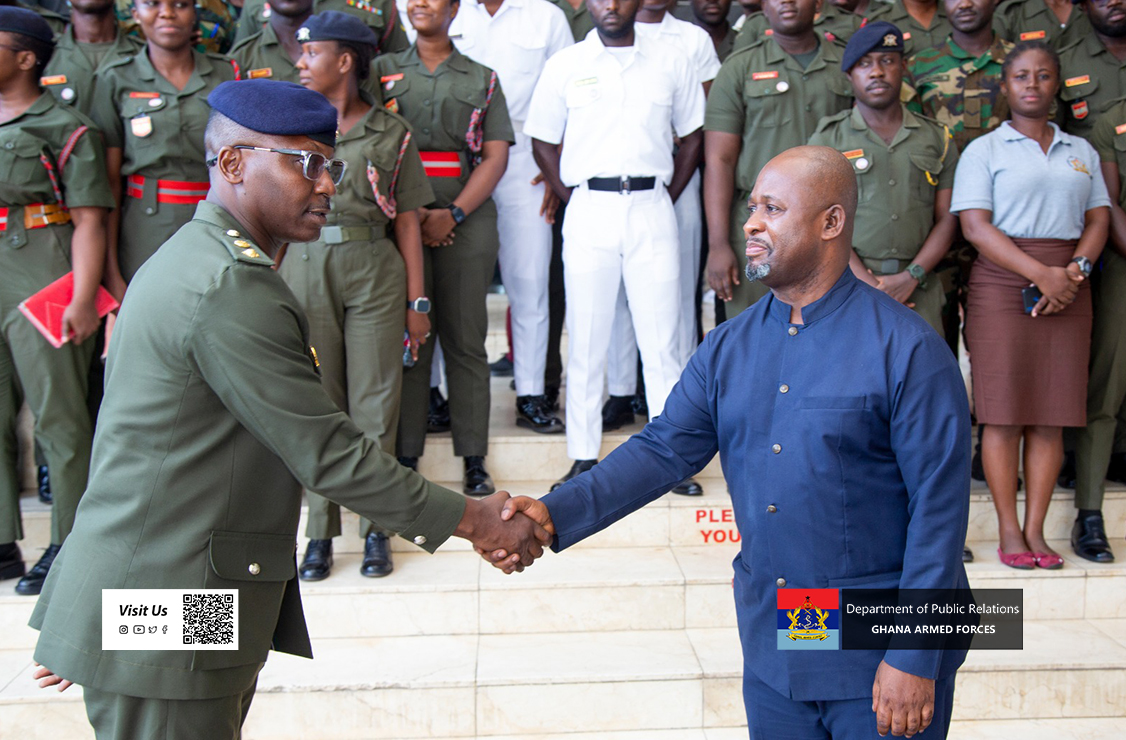
Students from the Intermediate Information Technology Course 1-26 at the Ghana Armed Forces School of Information Technology (GAFSIT) have undertaken an educational visit to the National Communications Authority (NCA), gaining first-hand exposure to Ghana’s telecommunications regulatory environment and national cybersecurity infrastructure.
The visit, led by Commanding Officer Paschal Senyo Hatse, was designed to bridge the gap between theoretical instruction and practical application. It provided students with an opportunity to observe how information technology and cybersecurity systems operate within a national regulatory framework, particularly in safeguarding critical communications infrastructure.
A major highlight of the tour was a visit to the NCA’s Computer Emergency Response Team (CERT) and its Data Center. Here, students were introduced to advanced systems used to monitor, detect, and respond to cyber threats across the country. The exposure offered valuable insights into how Ghana manages cybersecurity risks in real time, including threat intelligence gathering and incident response mechanisms.
In addition to the technical demonstrations, the students received detailed briefings from NCA experts on key aspects of telecommunications regulation. These included spectrum allocation, infrastructure management, and network performance monitoring—core functions that ensure efficient and secure communication services nationwide.
The delegation was officially welcomed by the Director of IT at the NCA, Raymond Akuetteh Bill, who underscored the growing importance of technology in protecting Ghana’s digital ecosystem. He emphasized that as reliance on digital systems increases, so too does the responsibility of IT professionals to safeguard sensitive data and maintain the integrity of national networks.
Discussions during the visit also highlighted the broader security implications of cyber threats. Students were briefed on how issues such as hacking, data breaches, and system vulnerabilities can have direct consequences for national security and the protection of critical state infrastructure.
The educational tour concluded with an interactive session at De’fes Stem Limited, where students participated in practical demonstrations and hands-on activities. This final segment of the visit was aimed at reinforcing classroom knowledge while exposing participants to emerging technologies and industry practices.
Overall, the initiative reflects a growing emphasis on experiential learning within Ghana’s military training institutions. By engaging directly with regulatory bodies and industry players, GAFSIT continues to equip its students with the skills and knowledge required to navigate the rapidly evolving landscape of information technology and cybersecurity.
Source: Omanghana