Omanghana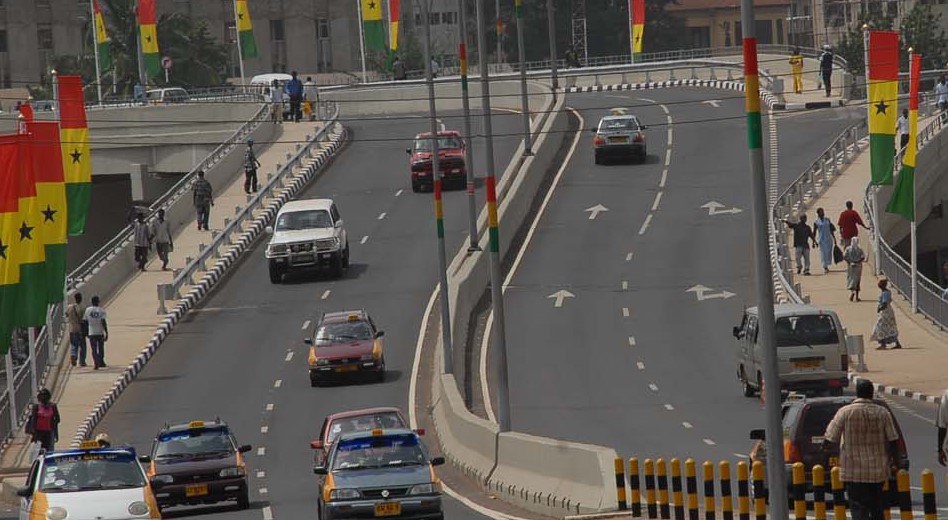
The Government of Ghana has officially approved a landmark $1.8 billion concession agreement for the construction of the long-anticipated Accra–Kumasi Expressway, a transformative infrastructure project expected to modernize the country’s busiest transport corridor.
The project seeks to upgrade the existing congested and accident-prone highway into a modern, high-speed multi-lane expressway designed to improve mobility, safety, and economic activity between Ghana’s two largest commercial centers.
The Ministry of Roads and Highways finalized the agreement under a Public-Private Partnership (PPP) arrangement with a consortium of international engineering and infrastructure firms.
Under the financing structure, the project will operate through a Design, Build, Finance, Operate, and Maintain (DBFOM) model. The private consortium will provide the full upfront capital investment of $1.8 billion and recover costs through automated toll collection systems over a 30-year concession period.
The project will involve the complete dualization of the 248-kilometer corridor linking Accra and Kumasi, significantly expanding road capacity along one of Ghana’s most economically strategic highways.
For decades, the Accra–Kumasi route has been associated with severe traffic congestion, long travel delays, and high rates of fatal road accidents. Authorities believe the new expressway will dramatically improve transportation efficiency and road safety nationwide.
According to project details, the new expressway will feature extensive engineering improvements aimed at ensuring uninterrupted traffic flow and reducing accident risks.
The highway design eliminates traditional at-grade intersections and replaces them with modern flyovers, interchanges, and underpasses. This will allow continuous high-speed traffic movement along the corridor.
The expressway will bypass several major traffic bottlenecks that have historically slowed movement along the route, including Nsawam, Nkawkaw, and Konongo.
To improve safety for residents living near the highway, the project includes the construction of pedestrian footbridges, dedicated service lanes, and protective fencing along populated sections of the corridor.
The Accra–Kumasi corridor is widely considered the economic backbone of Ghana, carrying more than 60 percent of the country’s internal freight and passenger traffic.
Government officials expect the new expressway to cut travel time between Accra and Kumasi to under three hours, significantly lowering transportation and logistics costs for businesses and commuters.
The project is also expected to reduce post-harvest losses for farmers by improving access to markets and strengthening trade connectivity under the framework of the African Continental Free Trade Area (AfCFTA).
Authorities say preliminary site clearing, structural surveys, and other preparatory works are expected to begin within the coming weeks as the project moves into its implementation phase.
Once completed, the Accra–Kumasi Expressway is expected to become one of the largest and most important road infrastructure developments in Ghana’s history.
Source: Omanghana