Omanghana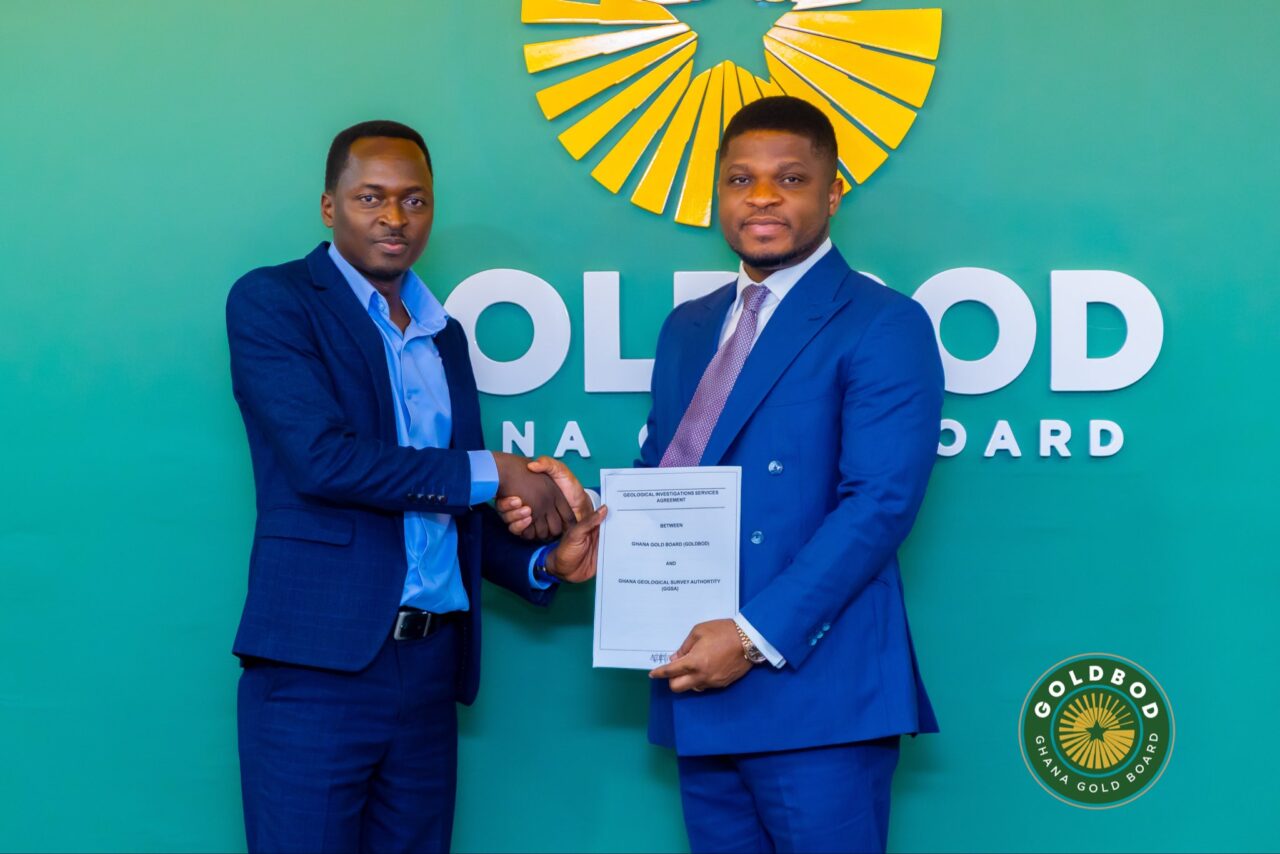
Ghana Gold Board has signed a major agreement with the Ghana Geological Survey Authority to conduct extensive geological investigations in key mineralized zones across Ghana. The agreement, signed on March 16, 2026, marks the first phase of a broader strategy to promote responsible mining practices and establish model mining operations based on reliable geological data.
Under the partnership, the Ghana Geological Survey Authority will carry out detailed geological mapping and mineral potential assessments in three designated areas: Funsi, Atuna, and Bensere East. These locations are among 20 mineralized zones that were recently released to the Ghana Gold Board by the Minerals Commission of Ghana for further evaluation and development.
The first phase of the project is valued at approximately GH¢27.5 million, or about $2.5 million, and is expected to be completed within four months. During this period, geological teams will gather critical data to determine the mineral potential of the selected areas and identify opportunities for sustainable mining operations.
One of the central objectives of the initiative is to establish model mines that operate according to high technical and environmental standards. By relying on credible geological information, authorities hope to create structured mining operations that can serve as benchmarks for best practices within the industry.
The project also aims to support the formalization of Ghana’s artisanal and small-scale mining sector. Accurate geological data will help guide investments and assist miners in identifying viable deposits, reducing reliance on speculative exploration that often leads to environmental degradation associated with illegal mining activities commonly known as “galamsey.”
Officials say the initiative will also improve transparency and long-term sustainability in the management of the country’s mineral resources by ensuring that exploration and mining decisions are based on scientific evidence rather than guesswork.
The Ghana Gold Board, established in March 2025, serves as the sole state authority responsible for buying, assaying, and exporting gold from licensed small-scale miners. By working closely with the Ghana Geological Survey Authority, the government hopes to strengthen oversight of the sector while encouraging responsible mining practices that maximize economic benefits and minimize environmental harm.
Authorities believe that providing precise geological information will enable miners to target gold deposits more accurately, reduce destructive mining methods, and contribute to a more sustainable and well-regulated mining industry in Ghana.
Source: Omanghana