Omanghana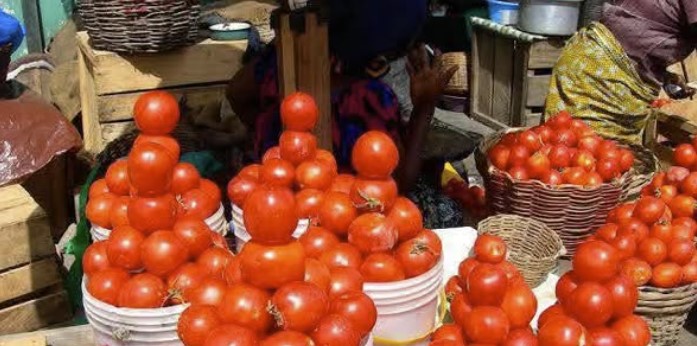
Burkina Faso has been hit by a fresh wave of deadly terrorist attacks, underscoring the deepening security crisis in the Sahel region. The attacks, largely concentrated in the country’s northern provinces, have been claimed by the Al-Qaeda-linked militant group JNIM, amid a broader surge in extremist violence across West Africa.
Ghanaian Civilians Targeted in Titao Ambush
The most disturbing incident occurred on Saturday, February 14, 2026, in the northern town of Titao, where civilians were deliberately targeted.
Attack on Traders
A truck transporting Ghanaian tomato traders was ambushed by armed militants while traveling through the area. According to the Ghana government:
-
Seven traders were killed, their bodies reportedly burned beyond recognition.
-
Four others—three men and one woman—sustained injuries and are receiving medical care.
-
Seven women escaped unharmed, having fled the vehicle during the attack.
Ghanaian authorities described the incident as a brutal assault on unarmed civilians engaged in cross-border trade, a lifeline for many communities in the region.
Simultaneous Assault on Military Positions
The civilian ambush coincided with a large-scale militant assault on a Burkinabè military base in Titao, highlighting the coordinated nature of the attacks.
Security sources reported that several hundred fighters overran parts of the installation, inflicting heavy damage on infrastructure and equipment. The scale of the assault suggests increasing operational capacity among militant groups operating in northern Burkina Faso.
Multiple Attacks Across Northern and Eastern Provinces
Between February 12 and 16, 2026, Burkina Faso experienced a series of coordinated attacks across multiple regions:
-
At least 10 civilians and security personnel were confirmed killed in incidents spanning Loroum, Sourou, and Bilanga provinces.
-
On Sunday, February 15, militants launched a major attack on a military detachment in the northern town of Nare, further stretching security forces.
In separate statements, JNIM claimed responsibility for an earlier assault on a military base in Djibo, alleging that as many as 200 soldiers were killed. While the Burkinabè government has not verified these figures, the claims underscore the intensity of recent fighting.
Burkina Faso at the Epicenter of Sahel Insecurity
Burkina Faso’s deteriorating security situation has drawn international concern. The country recently ranked first on the 2025 Global Terrorism Index, making it the most terrorism-affected nation globally.
Despite repeated pledges by the ruling military junta to restore security, analysts estimate that more than 60% of the country remains outside effective government control, particularly in northern and eastern regions bordering Mali and Niger.
Government Response and Counter-Offensive Claims
State media outlet AIB reported that Burkinabè defense forces had made gains in early February, claiming to have neutralized hundreds of militants during territory-recovery operations. However, independent verification remains limited, and humanitarian agencies warn that civilian populations continue to bear the brunt of the violence.
Regional and Humanitarian Implications
The attacks highlight the growing risks faced by civilians, traders, and humanitarian workers operating in the Sahel. Cross-border commerce—vital to food security and livelihoods in both Ghana and Burkina Faso—is increasingly under threat as militant groups expand their reach.
Security experts warn that without stronger regional coordination and civilian protection mechanisms, violence in Burkina Faso could further destabilize neighboring countries already grappling with insurgency and displacement.
As investigations continue and diplomatic engagements unfold, authorities in both Burkina Faso and Ghana have pledged to work together to support victims’ families and strengthen border security.
Source: Omanghana