Omanghana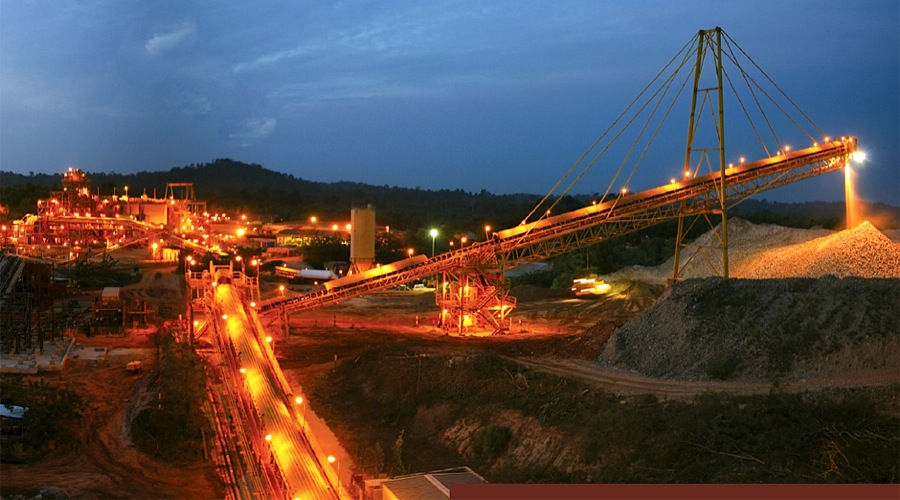
Ghana’s decision not to renew the mining lease for Gold Fields’ Damang operation has been widely interpreted as a decisive shift toward resource nationalism, reshaping the balance of control over West Africa’s gold industry and tightening state oversight of foreign mining operations.
The move effectively ends the transitional arrangement that had allowed Gold Fields to continue operating the Damang site under a temporary extension, and signals a broader push by the Ghanaian state to reclaim strategic control over mineral resources.
State Takes Control of Damang Transition
Following the expiration of the one-year grace period, operational control of the Damang mine is now being transferred to Ghanaian-approved entities, alongside the handover of infrastructure, equipment, and associated land assets.
The decision was driven by regulatory action from the Minerals Commission, which declined to renew the lease after 2024 filings from Gold Fields reportedly indicated zero declared mineral reserves at the site.
Regulators interpreted the development as a lack of sufficient reinvestment or resource optimization, reinforcing the government’s position that mining assets must deliver sustained value to the national economy.
Under the new framework, any remaining extraction from low-grade stockpiles or nearby exploration zones will be managed within Ghana’s domestic economic system, ensuring that revenues remain under local control.
Wider Pressure Builds Around Tarkwa Operations
The non-renewal of Damang has intensified scrutiny on Gold Fields’ broader portfolio in Ghana, particularly the large-scale Tarkwa Mine operation.
The Tarkwa lease, which is due for renewal in 2027, represents one of the most significant gold production assets in the country, contributing an estimated $1 billion in annual output.
Officials from the Ministry of Lands and Natural Resources have signaled that any renewal will be subject to a comprehensive review of the mine’s long-term development and contribution to national priorities.
Government expectations reportedly include:
- Increased state participation through expanded free-carried equity stakes
- Stronger local procurement requirements for goods and services
- Clear timelines for the development of domestic refining capacity
The tougher stance marks a departure from earlier regulatory practices in which long-term renewals were often viewed as procedural extensions.
Expanding State Demands on Foreign Operators
The Damang decision has introduced a new level of uncertainty for foreign mining companies operating in Ghana and the wider West African region.
Authorities are now placing greater emphasis on local value retention, requiring firms to deepen their integration with domestic supply chains and workforce systems.
Key policy directions include:
- Increased local ownership and participation in corporate governance structures
- Mandatory sourcing of equipment, logistics, and professional services from Ghanaian providers
- Stronger oversight of operational planning and investment commitments
Industry observers say these measures reflect a broader effort to ensure that mineral wealth translates into long-term industrial development rather than primarily export-driven revenue flows.
Regional Implications for Mining Investment
The policy shift is already being closely monitored by global mining firms and investors, many of whom view Ghana as a benchmark for regulatory stability in the region.
Analysts warn that the move could reshape investor expectations across West Africa, as governments reassess the terms under which foreign companies access high-value mineral assets.
Some market assessments suggest that asset valuations for mining operations across the region may need to be recalibrated to account for increased regulatory intervention, especially in jurisdictions where governments are reassessing historical lease agreements.
A Turning Point in Ghana’s Mining Strategy
The expiration of Gold Fields’ Damang lease represents more than a single operational transition—it signals a broader strategic recalibration in Ghana’s approach to natural resource governance.
By asserting tighter control over mining assets and demanding greater domestic participation, the state is positioning itself to capture a larger share of mineral wealth while reshaping the long-term structure of the industry.
As the transition at Damang unfolds and scrutiny intensifies over other major mining leases, Ghana’s evolving policy direction is likely to remain a focal point for both investors and policymakers across the global mining sector.
Source: Omanghana