Omanghana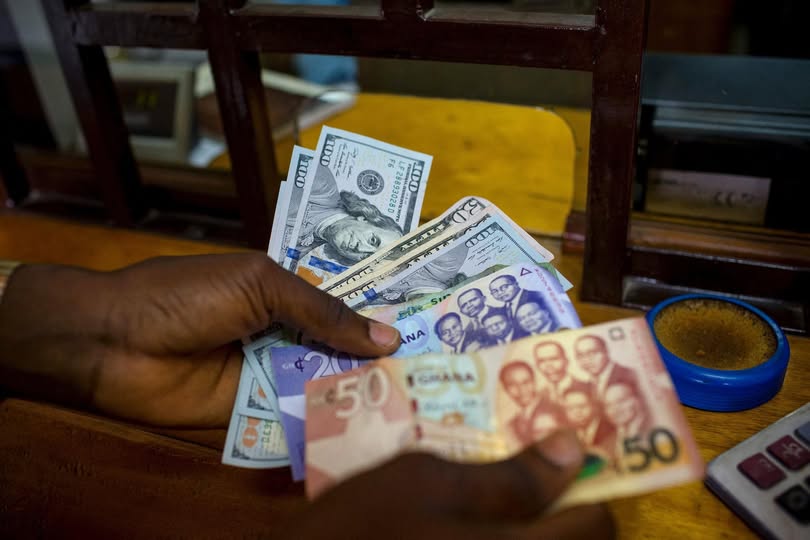
Ghana’s gross international reserves have risen to a record $14.4 billion, providing the country with one of its strongest external financial positions in recent years. However, despite the historic increase in foreign exchange reserves, the Ghanaian cedi has continued to weaken against the U.S. dollar, highlighting the complex forces influencing the country’s currency market.
According to the latest summary report from the Bank of Ghana, total gross international reserves increased from $13.8 billion at the end of last year to $14.4 billion by mid-May. The reserve accumulation reflects strong foreign exchange inflows from key export sectors and remittances from Ghanaians living abroad.
The country’s reserve position now provides approximately 5.7 months of import cover, exceeding commonly accepted international benchmarks and strengthening Ghana’s ability to meet external obligations and absorb potential economic shocks.
The improvement has also been supported by a strong external sector performance. Ghana recorded a current account surplus of $3.10 billion during the first quarter of the year, up from $2.43 billion during the same period last year. Analysts attribute the increase largely to robust earnings from gold and cocoa exports, alongside steady remittance inflows.
Despite these positive indicators, the cedi has continued to lose value against the U.S. dollar. By late May, the currency had depreciated by approximately 8.4 percent on the official interbank market, while losses on the retail market exceeded 10 percent. Retail exchange rates have softened to around GH¢12.20 per dollar.
The contrasting performance between the country’s growing reserves and the weakening cedi has raised questions about the factors driving exchange rate movements.
Economists point out that strong reserves alone do not automatically translate into currency stability. According to analysts at Databank Research, the Bank of Ghana has prioritized preserving and strengthening its reserve position rather than aggressively using foreign exchange reserves to intervene in the market and support the cedi.
Several market factors continue to exert pressure on the local currency.
One major source of demand comes from large businesses that require significant amounts of foreign currency to finance imports of machinery, raw materials, and other commercial goods. This sustained corporate demand has increased competition for available dollars within the market.
The energy sector is also contributing to pressure on the currency. Elevated global oil prices have increased the amount of foreign exchange required by fuel importers to purchase petroleum products, resulting in additional demand for U.S. dollars.
Another factor influencing the market is the repatriation of profits by multinational companies operating in Ghana. As businesses convert cedi-denominated earnings into foreign currency for distribution to overseas shareholders and investors, demand for foreign exchange rises further.
While Ghana’s record reserve levels provide a strong buffer against external shocks and support investor confidence, analysts believe exchange rate stability will continue to depend on broader market conditions, foreign currency demand, and the central bank’s monetary policy decisions.
With export earnings remaining strong and reserves at their highest level in more than a year, policymakers will be closely monitoring developments in the foreign exchange market as they seek to balance reserve accumulation with currency stability and economic growth.
Source: Omanghana