Omanghana
China’s electric vehicle exports recorded a major surge in April 2026, rising 40% year-over-year to 278,081 units as global demand for affordable clean energy vehicles continues to accelerate.
According to data released by the China Passenger Car Association, Chinese automakers are rapidly strengthening their international presence despite mounting trade tensions and increasing tariff barriers in several Western markets.
Industry analysts say the sharp export growth reflects China’s dominant position in the global EV supply chain, with leading manufacturers leveraging large-scale production capabilities and lower operating costs to outcompete many foreign rivals.
Major Chinese automakers such as BYD and Geely continue to benefit from tightly integrated domestic supply chains and extensive control over battery manufacturing. This vertical integration allows Chinese firms to significantly reduce production costs and offer electric vehicles at prices often well below those of Western competitors.
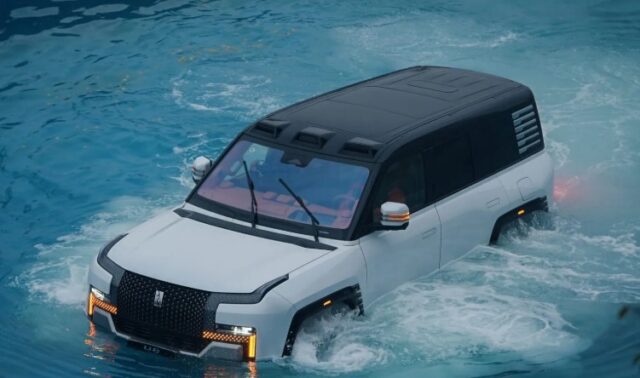
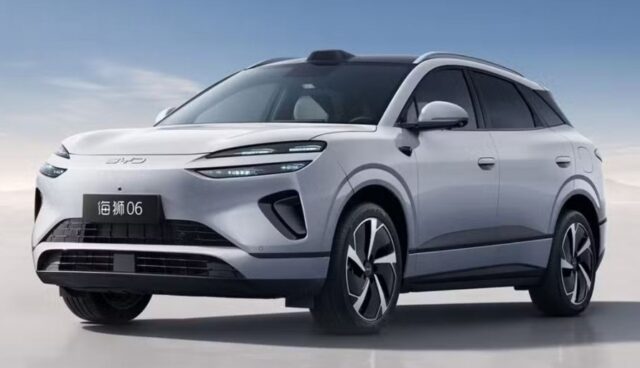
As trade restrictions tighten in Europe and North America, Chinese manufacturers are increasingly redirecting their expansion strategies toward emerging markets across Southeast Asia, South America, the Middle East, and Africa. Analysts note that these regions are becoming critical growth zones due to rising demand for affordable transportation and fewer regulatory barriers.
Chinese EV producers are also accelerating efforts to establish overseas assembly and manufacturing plants to reduce dependence on direct exports and avoid high import duties. Several companies have entered discussions to build localized EV assembly facilities in strategic markets, including proposed projects in Ghana aimed at serving the wider West African region.
The latest export figures highlight the growing imbalance between China’s massive industrial production capacity and the protectionist trade policies being introduced by some Western governments seeking to shield domestic automakers from cheaper imports.
Despite heavy tariffs imposed in parts of Europe and North America, Chinese EV exports have continued to rise steadily. Market observers say many companies are successfully absorbing portions of the additional tariff costs while simultaneously shifting their focus toward countries with more open trade environments and rapidly expanding consumer demand.
The continued global expansion of Chinese electric vehicle brands is expected to intensify competition within the international automotive industry, particularly as developing economies transition toward cleaner transportation technologies at a faster pace.
Source: Omanghana