Omanghana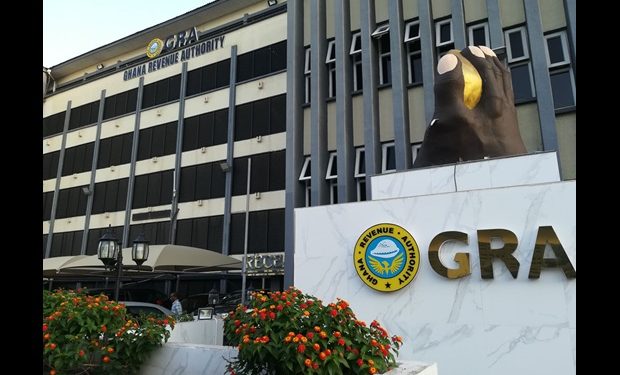
The Ghana Revenue Authority has launched a sweeping overhaul of the country’s tax system under its “Year of Compliance” agenda, aimed at improving the business environment, boosting investor confidence, and enhancing revenue mobilization through simplified and transparent processes.
Central to the reforms is the introduction of a unified Value Added Tax system, which took effect on January 1, 2026. The new structure replaces the previous VAT Flat Rate Scheme with a standard rate of 20 percent, creating a more streamlined and predictable tax framework for businesses. As part of the changes, the National Health Insurance Levy and the GETFund levy have been separated from the VAT base, allowing businesses to claim them as input tax credits and eliminating the burden of tax cascading.
The authority has also raised the VAT registration threshold from GH¢200,000 to GH¢750,000, a move designed to ease compliance requirements for small businesses and startups. This adjustment allows emerging enterprises more time to grow before entering the formal tax system. In addition, the government has abolished the one percent COVID-19 Health Recovery Levy, reducing operational costs for businesses and potentially lowering prices for consumers.
The reforms extend to key sectors of the economy. In the extractive industry, VAT on mineral reconnaissance and exploration has been removed to reduce upfront costs for investors. The manufacturing sector is also receiving support through the extension of zero-rated VAT on locally produced textiles until December 2028. To further encourage expansion, a five percent annual tax credit on qualifying capital expenditure remains in place for up to five years.
Digital transformation is another major pillar of the reform agenda. The GRA is rolling out systems such as the Integrated Tax Administration System and the Sentinel platform to automate tax processes, improve compliance monitoring, and enhance the accuracy of assessments, particularly for digital transactions.
To strengthen dispute resolution and build trust in the system, an Independent Tax Appeals Board has been established to provide a faster and more structured mechanism for handling tax-related disagreements. Meanwhile, a simplified taxation model has been introduced for the informal sector, applying a flat three percent tax on turnover for small businesses earning between GH¢20,000 and GH¢500,000 annually.
Overall, the reforms represent a significant step toward modernizing Ghana’s tax regime, reducing the cost of doing business, and creating a more efficient and investor-friendly economic environment.
Source: Omanghana