Omanghana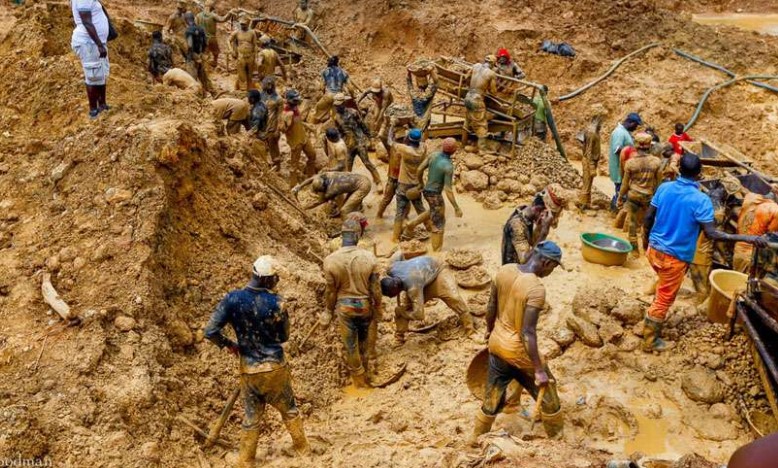
John Dramani Mahama has introduced the Responsible Cooperative Mining and Skills Development Programme (rCOMSDEP) as a key pillar of his administration’s strategy to reform the artisanal and small-scale mining sector in Ghana. The initiative is designed to formalize the industry and transform illegal mining, widely known as galamsey, into a regulated, environmentally responsible, and economically productive sector.
The programme focuses on addressing the root causes of illegal mining while providing miners with practical legal alternatives. A central component of the initiative is the formation of structured mining cooperatives. Under the new framework, small-scale miners are encouraged to organize themselves into locally owned cooperatives that can operate legally under a single Cooperative Licence. Each cooperative can include up to 15 miners, a move intended to reduce the financial and administrative barriers that often prevent individuals from entering the formal mining sector.
In addition to licensing reforms, the government plans to support miners with improved technology and modern equipment. Through rCOMSDEP, cooperatives will gain access to tools such as pumping machines and centralized processing facilities that use mercury-free technology. These improvements are expected to significantly increase gold recovery rates, potentially reaching up to 90 percent compared with the roughly 40 percent recovery typically associated with traditional illegal mining practices. The adoption of cleaner technology is also intended to reduce the contamination of rivers and water bodies.
Training and certification form another critical part of the programme. Miners will be required to undergo structured training in responsible mining techniques, environmental protection, and workplace safety before receiving six-month operating permits. Authorities say this approach will help build professional skills in the sector while promoting long-term sustainability.
The government is also decentralizing the regulatory process to make it easier for miners to comply with legal requirements. District-level mining offices will handle licensing and oversight to reduce bureaucratic delays. Traditional authorities are expected to play a greater role in the process as well, ensuring that local communities have a stronger voice in how mining activities are managed.
Environmental restoration is another major element of the initiative. The administration has launched a land reclamation effort known as the “Tree for Life” or #Atree4life project, which employs young people to restore degraded mining lands through reforestation. The programme aims to transform environmental rehabilitation into a source of employment while helping to repair ecosystems damaged by years of illegal mining.
Alongside these reforms, the government has introduced stronger enforcement measures to curb illegal mining activities. One of the key policies is the “No Permit, No Excavator” rule, which requires official authorization for the importation of heavy-duty mining equipment. Authorities also plan to use technology to track the movement of excavators nationwide in order to prevent their use at illegal mining sites.
Another major institutional reform is the creation of the Ghana Gold Board, commonly referred to as GoldBod. The agency will serve as the sole authorized entity responsible for purchasing, selling, and exporting gold produced by the small-scale mining sector. The move is intended to improve transparency in gold trading and ensure that a larger share of the country’s mineral wealth remains within the national economy.
The administration has also introduced strict prohibitions to protect environmentally sensitive areas. Mining activities have been banned in forest reserves, and government appointees have been prohibited from participating in any mining operations to prevent conflicts of interest.
Through rCOMSDEP, the government hopes to strike a balance between economic opportunity and environmental protection. The small-scale mining sector currently provides livelihoods for an estimated one million people across Ghana. By formalizing the industry, improving technology, and strengthening regulation, authorities aim to create sustainable jobs while protecting the country’s natural resources from further degradation.
Source: Omanghana