Omanghana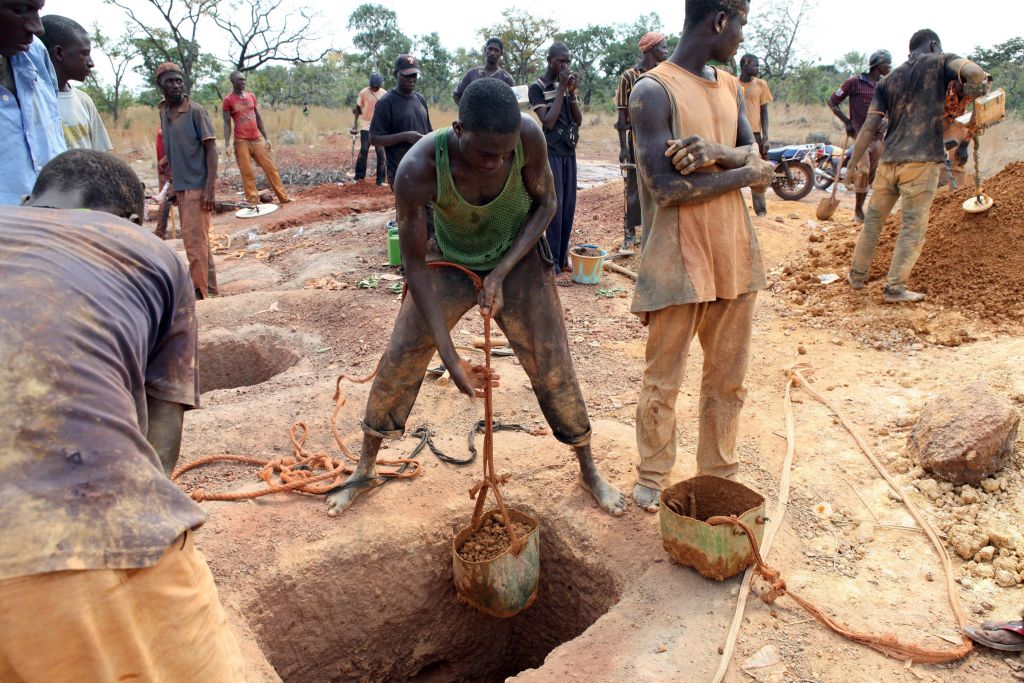
Mali, Africa’s third-largest gold producer, has launched a specialized law enforcement unit aimed at tackling the growing challenge of illegal mining across the country. The new task force, known as the Brigade Spéciale des Mines (Special Mines Brigade), was officially introduced on March 11, 2026, as part of the government’s efforts to strengthen oversight in the mining sector and protect national revenue.
Authorities say the unit was created in response to the persistence and increasing organization of illegal mining activities involving both local and foreign operators. While Mali’s official artisanal gold production is estimated at six tonnes annually, independent research by the Swiss organization SWISSAID suggests the real output could be significantly higher, ranging between 30 and 57 tonnes each year. The discrepancy indicates that billions of dollars’ worth of gold may be leaving the country outside official channels.
Unlike earlier oversight initiatives, the Special Mines Brigade has been granted full judicial authority to enforce mining regulations. Officers in the unit can conduct inspections, seize illegal mining equipment, and prosecute individuals or groups involved in unauthorized operations. The brigade’s mandate includes dismantling illegal gold panning operations, disrupting illicit mineral trafficking networks, and preventing the use of banned chemicals that cause environmental damage.
The task force will also coordinate closely with national security agencies to secure mineral-rich regions and target cross-border smuggling routes that facilitate the illegal export of gold. Authorities believe stronger enforcement will help protect legitimate mining operations and increase transparency across the sector.
The illegal gold trade has been a major economic concern for Mali. Estimates suggest that between 2012 and 2022, approximately $13.5 billion worth of gold left the country without being declared to authorities. The government hopes the new enforcement measures will help close this gap and ensure that the nation benefits more fully from its mineral resources.
The creation of the Special Mines Brigade comes alongside reforms introduced under Mali’s 2023 Mining Code, which aims to increase state oversight and ensure that mining revenues benefit local communities. Under the updated framework, roughly $33 million in gold revenue has already been redistributed to communities located near mining areas.
Mali’s mining sector hosts several major international operators, including Barrick Gold, which runs the Loulo-Gounkoto complex, and B2Gold, operator of the Fekola mine. Authorities say the new task force will help safeguard the integrity of the industry while protecting both investors and national interests.
Across West Africa, similar measures are being implemented to curb illegal mining. In Ghana, the continent’s leading gold producer, authorities recently introduced a dedicated anti-illegal mining task force whose members wear body cameras to improve transparency and accountability during enforcement operations.
Source: Omanghana