Omanghana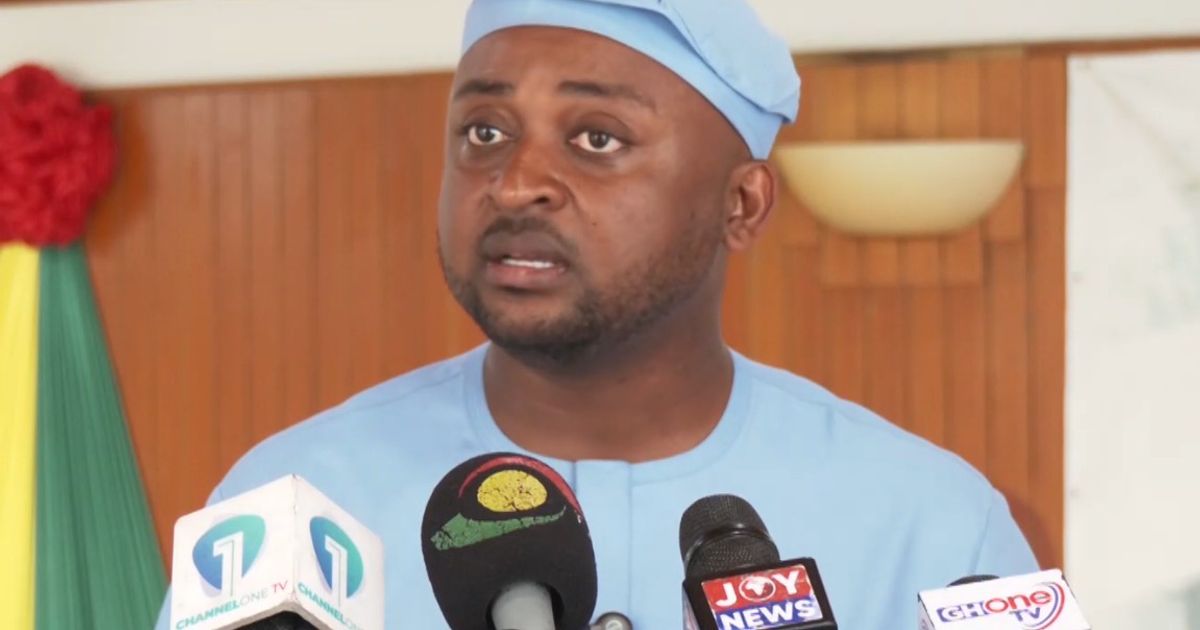
Ghana’s political and economic landscape witnessed a particularly charged day, as controversies spanning pensions, healthcare policy, and the insurance sector unfolded simultaneously, drawing sharp reactions from both government and opposition figures. The developments highlight growing tensions around governance, public spending, and institutional oversight at a time when major reforms are being rolled out across key sectors.
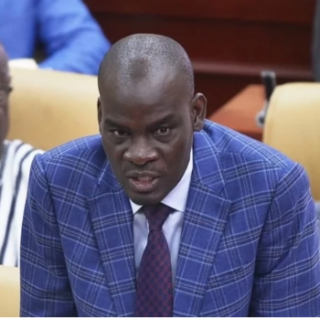
At the center of the political storm is a dispute involving the National Pensions Regulatory Authority, after the Minority in Parliament raised concerns over a reported GH¢700 million loan facility. Led by Vincent Ekow Assafuah, the opposition lawmakers have called for the immediate suspension of the alleged borrowing, arguing that it is intended to finance Phase Two of the NPRA’s headquarters project despite Phase One reportedly remaining uncompleted and unused.
The Minority has also questioned the financial terms of the supposed loan, particularly the reported 5 percent interest rate, which they claim is significantly below prevailing market returns that hover around 20 percent. According to Assafuah, such terms would effectively amount to subsidizing what he described as a “reckless” project, potentially at the expense of pension contributors whose funds are meant to be safeguarded.
In response, the NPRA has firmly rejected the allegations, describing them as “completely false” and misleading. In a statement issued on April 17, the authority insisted that no such loan has been contracted and urged the public to disregard what it characterized as misinformation. The disagreement has intensified scrutiny of pension fund management and raised broader questions about transparency and accountability in the sector.
Meanwhile, tensions also flared in the healthcare space following the launch of the Free Primary Healthcare initiative by John Dramani Mahama in Dodowa. The policy, aimed at expanding access to essential health services, quickly became the subject of a partisan clash between the governing National Democratic Congress and the opposition New Patriotic Party.
The NPP Minority has argued that the initiative is not entirely new, claiming it repackages elements of healthcare programs introduced under former President Nana Akufo-Addo. From their perspective, the policy reflects continuity rather than innovation. On the other hand, officials from the NDC, including Deputy Health Minister Grace Ayensu-Danquah, have called for a shift away from partisan debate, emphasizing that the focus should remain on improving healthcare outcomes for citizens rather than engaging in political point-scoring.
Adding to the day’s tensions is a developing standoff within Ghana’s insurance industry, involving the Ghana Insurers Association and the State Interests and Governance Authority. The GIA has raised concerns about what it describes as potential interference by SIGA in procurement processes, warning that such actions could undermine merit-based practices and disrupt the integrity of the sector.
The dispute has drawn in other key players, including the Ghana National Gas Company, which issued a statement on April 13 denying any wrongdoing in its recent insurance contract renewals. The company maintained that its actions were lawful and aimed at strengthening risk management frameworks, seeking to clarify its position amid growing speculation and scrutiny.
Taken together, these developments paint a picture of a politically active and contested environment in Ghana, where major policy initiatives and institutional decisions are increasingly subject to public debate and partisan interpretation. While such scrutiny can strengthen accountability, it also underscores the importance of clear communication, transparency, and cooperation in addressing the country’s economic and social priorities.
Source: Omanghana