Omanghana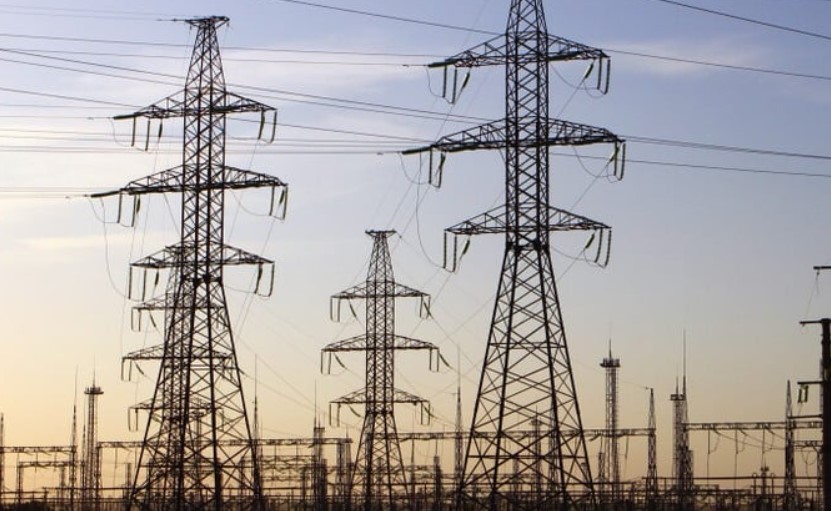
Nigeria is preparing to expand electricity exports to neighboring West African countries as part of efforts to better utilize its available power generation capacity and strengthen regional energy cooperation. The move was confirmed by the Niger Delta Power Holding Company following a strategic visit from officials of Compagnie Énergie Électrique du Togo, the national electricity utility of Togo.
The visit focused on increasing the volume of electricity currently supplied to Togo under an existing bilateral arrangement with Nigeria. At present, Togo imports roughly 75 megawatt-hours of electricity from Nigeria to help meet its domestic power needs.
Nigeria’s power sector has significant generation potential, with installed capacity exceeding 12,500 megawatts. However, limitations within the domestic transmission grid often prevent the full utilization of this capacity. As a result, a considerable portion of generated power remains underused or stranded, prompting authorities to explore opportunities to export surplus electricity to neighboring countries.
One major infrastructure project expected to support this strategy is the Northcore Power Transmission Line initiative. The project, valued at approximately $570 million, is designed to strengthen regional grid connections linking Nigeria with Niger, Benin, Togo, and Burkina Faso. Once fully operational, the transmission line is expected to facilitate higher electricity export volumes and improve energy stability across multiple West African countries.
Nigerian authorities believe expanded electricity exports could generate substantial economic benefits. Estimates suggest that increased regional power sales could bring in up to $1 billion in revenue by June 2026 if supply agreements with multiple West African nations are successfully expanded.
Despite the opportunities, Nigerian officials have stressed that future export agreements must be built on strong commercial foundations. The Niger Delta Power Holding Company has indicated that any increase in electricity supply will require sustainable and bankable payment frameworks, including reliable financial guarantees from importing countries.
The emphasis on financial safeguards follows concerns over unpaid electricity bills from some regional partners. As of early 2026, international customers—including Togo, Benin, and Niger—were reported to owe Nigeria approximately $17.8 million for previously supplied electricity.
Regulators are also mindful of the need to balance regional exports with domestic power demand. The Nigerian Electricity Regulatory Commission faces pressure to ensure that expanding exports does not worsen electricity shortages within Nigeria, where the country’s population of more than 220 million people continues to face an estimated power deficit of around 4,000 megawatts.
Regional electricity cooperation is coordinated through the West African Power Pool, a platform that enables member states of the Economic Community of West African States to share electricity across national borders. The system is intended to strengthen energy security, support industrial development, and promote economic growth throughout West Africa.
As Nigeria seeks to turn its unused generation capacity into a regional asset, expanded electricity exports could play a key role in improving power access across the region while also creating a new revenue stream for Africa’s largest economy.
Source: Omanghana