Omanghana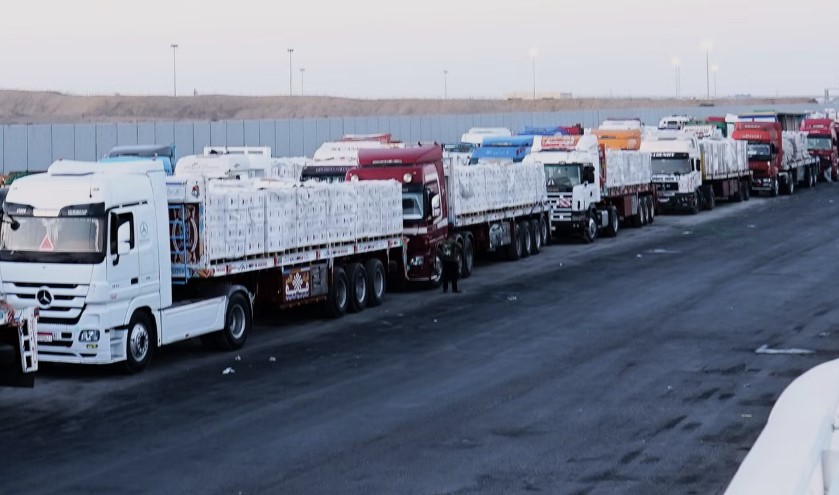
The worsening humanitarian situation in Gaza has intensified calls from international organizations and global leaders for the opening of all land crossings to allow the uninterrupted flow of aid and commercial goods. Humanitarian agencies argue that expanded access is essential to prevent widespread hunger, address mounting medical needs, and support millions of civilians affected by the conflict.
Experts maintain that land crossings remain the most practical and efficient means of delivering the large quantities of supplies required each day, while acknowledging that efforts to expand access continue to be shaped by complex political and security considerations.
Humanitarian Groups Stress Need for Increased Access
Relief organizations have consistently emphasized that road transport is the only scalable solution for moving food, clean water, fuel, medicine, and other essential supplies into Gaza. They warn that existing delivery methods, including limited routes and air drops, cannot meet the needs of the population or prevent further deterioration of living conditions.
Medical professionals have also highlighted the importance of functioning border crossings for the evacuation of critically ill and injured patients who require specialized treatment unavailable within Gaza. Expanded access would also facilitate the entry of medical equipment and lifesaving pharmaceuticals.
Aid agencies continue to caution that delays or restrictions on humanitarian deliveries could worsen food insecurity, increase malnutrition, and place additional strain on already overwhelmed healthcare facilities.
Security Concerns Continue to Shape Border Policies
At the same time, the operation of Gaza’s border crossings remains closely linked to security concerns. Israeli authorities have long argued that inspections and controls are necessary to prevent the transfer of weapons, dual-use materials, and financial resources that could be utilized by militant organizations.
These security procedures, combined with varying operational schedules and logistical challenges, have frequently resulted in significant backlogs of aid trucks awaiting clearance.
Crossings Linked to Broader Political Negotiations
The management and reopening of border access points is also intertwined with wider diplomatic efforts surrounding the conflict. Discussions over humanitarian corridors often intersect with negotiations on ceasefires, governance arrangements, and the release of hostages, making progress dependent on multiple political factors.
Despite these challenges, humanitarian organizations continue to urge all parties to facilitate greater access for aid deliveries, arguing that sustained and predictable operations at Gaza’s land crossings are critical to alleviating civilian suffering and preventing a deeper humanitarian crisis.
Source: Omanghana