Omanghana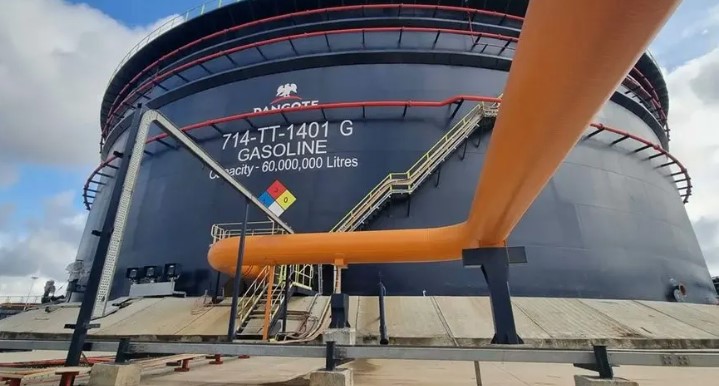
Five African countries have received major fuel shipments from the Dangote Petroleum Refinery, marking an important milestone for the newly operational facility and strengthening regional fuel supply across the continent.
The refinery exported a total of approximately 456,000 tonnes of refined petroleum products, equivalent to about 608 million liters. The shipments were delivered through 12 cargo consignments handled by international trading partners, supplying fuel to several African markets.
The countries benefiting from the deliveries include Côte d’Ivoire, Cameroon, Ghana, Togo, and Tanzania. The exports primarily consist of Premium Motor Spirit, commonly known as petrol, along with high-quality Euro V-standard petrol and diesel products.
Industry analysts say the shipments represent the first major gasoline export from the refinery since it reached its full operational capacity of about 650,000 barrels per day in February 2026. The development highlights the growing role of the facility in supplying refined petroleum products not only to Nigeria but also to other countries across Africa.
The exports are taking place against the backdrop of a challenging global energy environment. International fuel markets have been under pressure due to supply disruptions linked to geopolitical tensions in the Middle East and the temporary closure of the Strait of Hormuz, a critical global oil shipping route.
As traditional supply channels face uncertainty, several other African nations have shown interest in sourcing fuel from the Dangote refinery. Countries such as South Africa and Kenya are among those exploring potential supply agreements to strengthen their energy security.
The increased export activity is expected to boost regional fuel availability, reduce reliance on distant suppliers, and potentially lower transportation costs for petroleum imports across parts of Africa. Analysts also note that expanded refining capacity within the continent could play a key role in stabilizing fuel markets and improving long-term energy resilience.
Source: Omanghana