Omanghana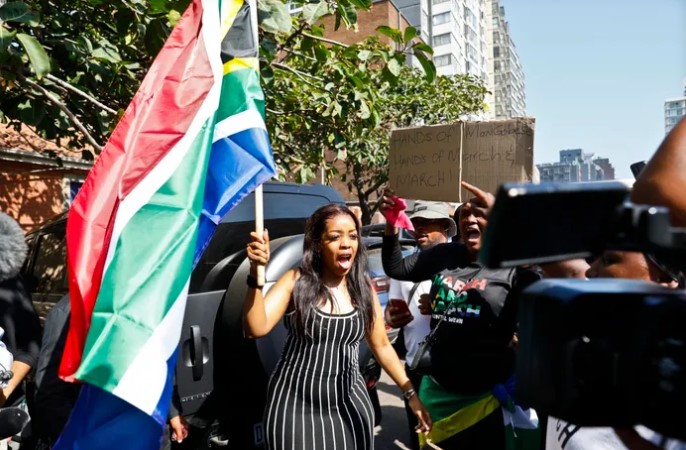
South Africa is under growing continental scrutiny as Ghana, Nigeria, and Malawi coordinate emergency evacuation measures for their citizens amid rising concerns over safety ahead of a reported June 30 deadline linked to potential vigilante activity targeting foreign nationals.
The escalating regional response has intensified diplomatic pressure on South African authorities, prompting urgent internal security meetings in KwaZulu-Natal aimed at stabilizing the situation and curbing unrest linked to anti-immigrant activism.
In response to rising tensions, KwaZulu-Natal Premier Thamsanqa “Thami” Ntuli and Provincial Police Commissioner Lieutenant-General Nhlanhla Mkhwanazi convened an emergency meeting in Durban with Jacinta Ngobese-Zuma, a prominent leader associated with the “March and March” anti-immigrant protest movement.
The meeting was described as an effort by provincial authorities to reassert state control over immigration enforcement narratives and reduce the risk of escalating street-level confrontations.
Officials reportedly emphasized that immigration enforcement remains the sole responsibility of law enforcement agencies and the Department of Home Affairs. They warned that public frustration or activism does not justify unlawful actions, including xenophobic violence or unauthorized raids targeting foreign nationals.
Following the meeting, provincial authorities moved to restrict further large-scale gatherings organized by civil coalitions linked to the movement, effectively halting planned mass meetings in parts of KwaZulu-Natal.
Officials also raised concerns over the spread of misinformation on social media. Jacinta Ngobese-Zuma has been accused by authorities of circulating misleading or repurposed footage online, allegedly used to suggest retaliatory attacks on South African businesses in other African countries. Authorities say such content risks inflaming tensions and contributing to further unrest.
The domestic response comes amid growing regional alarm over the reported June 30 deadline, which has prompted several African governments to accelerate evacuation planning for their nationals in South Africa.
Ghana, Nigeria, and Malawi have all initiated or expanded emergency repatriation efforts, citing concerns over the safety of their citizens abroad.
Nigeria has reportedly begun preparing large-scale evacuation operations involving between 2,000 and 4,000 citizens. Malawi has launched its own repatriation initiative, while Mozambique has already facilitated the return of hundreds of nationals through organized transport operations.
The coordinated evacuations have placed South Africa under heightened diplomatic pressure across the continent, with increasing calls for accountability and stronger protections for foreign nationals.
Regional observers note that the situation is rapidly evolving into a broader continental issue, with implications for diplomatic relations and mobility frameworks under initiatives such as the African Continental Free Trade Area (AfCFTA).
Civil society organizations across Africa have also warned that the ongoing tensions risk undermining South Africa’s standing within key continental platforms and could damage long-standing commitments to regional integration and cooperation.
South African authorities are now attempting to contain both physical unrest and digital misinformation while maintaining diplomatic engagement with affected countries.
Security officials have reiterated that the state remains committed to protecting all residents within its borders and ensuring that law enforcement actions are conducted within constitutional and legal frameworks.
As regional evacuations continue and diplomatic pressure intensifies, South Africa faces a growing challenge in balancing domestic security concerns with its broader responsibilities within the African continent.
Source: Omanghana