Omanghana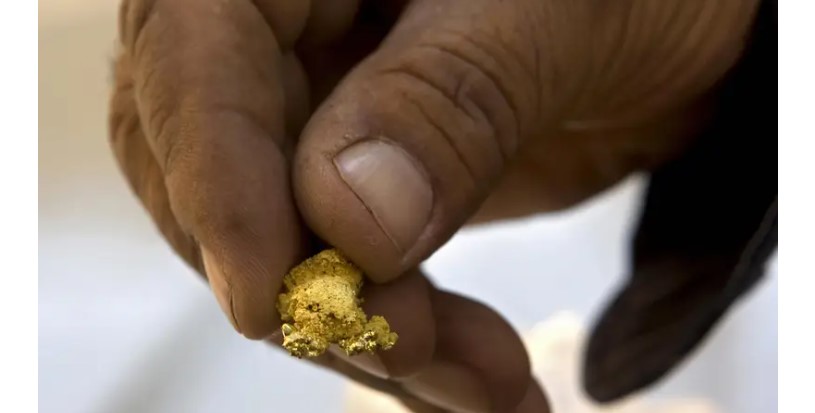
Photo from 3.nhk.or.jp
The unprecedented surge in global gold prices has triggered a modern-day “gold fever” across the Amazon rainforest, accelerating illegal mining operations that are devastating ecosystems, contaminating rivers with toxic mercury, and threatening the survival of Indigenous communities throughout South America. Driven by economic uncertainty, geopolitical instability, and soaring international demand for gold, illegal artisanal and small-scale gold mining (ASGM) has expanded rapidly across the Amazon River basin, reaching remote and previously untouched protected forests. Environmental researchers and satellite monitoring groups warn that the destruction has entered a dangerous new phase, with criminal mining networks moving deeper into ecologically sensitive territories at an alarming pace.
Although agriculture and cattle ranching account for larger overall deforestation totals in the Amazon, experts say gold mining causes far more severe environmental damage per acre. Illegal miners use high-powered hoses and dredging equipment to tear apart riverbanks and forest floors, stripping away nutrient-rich topsoil to depths of nearly 50 feet in search of gold-bearing sediment. The result is a barren landscape of toxic sludge pools, contaminated waterways, and lifeless sand pits often described as “moonscapes.” Unlike logged forests that can naturally regenerate over time, many mined areas remain biologically dead for decades or even centuries due to the complete destruction of soil structure and biodiversity.
The mining process itself has created one of the worst mercury contamination crises in the world. To extract tiny gold particles from mud and sediment, miners mix the material with liquid mercury, which chemically binds to the gold and forms an amalgam. The amalgam is then burned, releasing toxic mercury vapor into the atmosphere while contaminated wastewater flows directly into rivers and tributaries connected to the Amazon watershed. Environmental organizations estimate that more than 150 tons of mercury are dumped into the Amazon basin every year.
Once released into waterways, mercury transforms into methylmercury, an extremely toxic compound that accumulates rapidly in fish and spreads throughout the aquatic food chain. Communities that depend on fishing for survival are facing escalating health emergencies as contaminated fish become a primary source of poisoning. Research conducted by Brazil’s Oswaldo Cruz Foundation found that more than 21 percent of fish sold in Amazonian public markets contain mercury levels above internationally accepted safety thresholds. In some heavily mined Indigenous territories, studies show that up to 60 percent of residents test positive for dangerous mercury exposure. Medical experts warn that long-term contamination can cause irreversible neurological disorders, kidney and liver failure, developmental delays in children, memory loss, and severe cognitive impairment.
The crisis now stretches across all nine Amazonian nations, but several regions have emerged as major epicenters of illegal gold extraction. In Peru’s Madre de Dios region, military and police forces continue high-risk operations against heavily armed mining syndicates operating along remote river systems. Authorities estimate that more than 40 percent of Peru’s gold exports originate from illegal or informal mining activities, with vast areas of pristine rainforest consumed by unregulated camps and dredging sites.
In Brazil, protected Indigenous territories such as the Yanomami and Xingu regions remain under intense pressure despite government crackdowns. Satellite imagery has revealed expanding networks of clandestine airstrips, illegal settlements, and mining corridors penetrating deep into protected reserves throughout 2025 and into 2026. Criminal operators have adapted rapidly to enforcement measures, relocating camps and using increasingly sophisticated supply chains to avoid detection.
Meanwhile, Ecuador and Colombia have witnessed the growing involvement of transnational criminal organizations and drug trafficking syndicates in illegal gold operations. Investigators say cartels are increasingly using illicit gold mining as a powerful money-laundering mechanism, allowing drug profits to be converted into seemingly legitimate international commodities. The high value and difficult traceability of gold make it particularly attractive to organized crime networks seeking to move wealth across borders undetected.
Environmental advocates argue that one of the biggest drivers of the crisis is the global gold supply chain itself. Once illegally mined gold is melted and refined, its original source becomes virtually impossible to identify. This allows illicit Amazonian gold to pass through networks of traders, shell companies, and exporters before ultimately entering the legal global market. Critics say that international banks, electronics manufacturers, and luxury jewelry brands may unknowingly purchase gold linked to rainforest destruction, violence, and human rights abuses.
In response, environmental groups including Greenpeace International and Indigenous rights organizations are intensifying pressure on governments and financial institutions to implement stricter certification systems and blockchain-based traceability mechanisms capable of tracking gold from extraction to export. Activists warn that without urgent international intervention, rising gold prices could accelerate irreversible ecological collapse across large portions of the Amazon, one of the planet’s most critical ecosystems and largest carbon sinks.
Source: Omanghana