Omanghana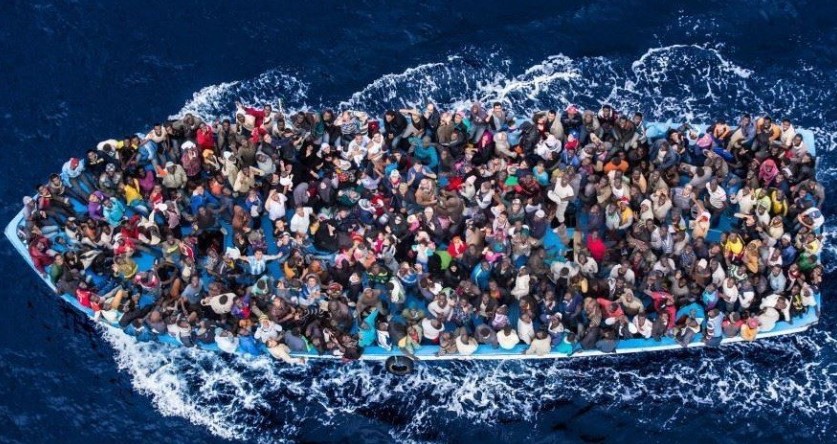
The United Kingdom and 45 other member states of the Council of Europe have signed a major political declaration in Chișinău aimed at reshaping how international courts handle migration and deportation cases across Europe.
The agreement, signed in Moldova, is designed to make it significantly easier for European governments to deport illegal migrants and overcome last-minute legal challenges that frequently delay removals.
The declaration sends a strong political message to the European Court of Human Rights in Strasbourg, urging judges to give greater authority to national governments on immigration matters and defer more migration decisions to sovereign states.
Under the declaration, participating nations reaffirmed what they described as the “undeniable sovereign right” of states to control immigration policies and deport foreign nationals when deemed necessary for public interest and national security.
A major focus of the agreement is the reinterpretation of Article 3 of the European Convention on Human Rights, which prohibits inhuman or degrading treatment. The declaration argues that migrants should no longer be able to automatically block deportation solely by citing poorer healthcare systems or difficult social conditions in their home countries. Appeals based on medical or humanitarian grounds, the document states, should only succeed under “very exceptional circumstances.”
The declaration also addresses Article 8, which protects the right to family life. Signatories argue that domestic courts — rather than judges in Strasbourg — are better positioned to weigh family rights against national security concerns and public interest considerations.
In another significant shift, the agreement openly endorses the establishment of offshore migration processing centers and “return hubs” outside Europe, allowing countries to process or relocate migrants beyond their national borders.
Yvette Cooper described the declaration as a “common-sense approach” aimed at preventing immigration systems from being “unfairly gamed” through repeated legal appeals.
The move comes as the UK government, alongside countries including Italy and Denmark, faces mounting domestic pressure over rising small-boat crossings and expanding people-smuggling operations.
Rather than withdrawing entirely from Europe’s postwar human rights framework, the UK and its allies hope the collective political push will encourage courts to adopt a stricter interpretation of migration-related protections and reduce delays to deportation flights caused by emergency legal interventions.
However, the declaration has sparked immediate backlash from civil liberties organizations and refugee advocates across Europe.
Human rights groups, including Liberty, warned that altering the interpretation of core human rights protections could gradually weaken safeguards established under the European Convention on Human Rights.
Critics also argue that lowering the threshold for humanitarian appeals could place torture victims, asylum seekers, and genuine refugees at greater risk of being deported to unsafe conditions.
Legal experts have additionally questioned the practical impact of the declaration, noting that it is a non-binding political statement rather than a formal amendment to human rights law. As a result, judges at the Strasbourg court are under no legal obligation to follow the declaration’s recommendations and may ultimately choose to ignore them.
Source: Omanghana