Omanghana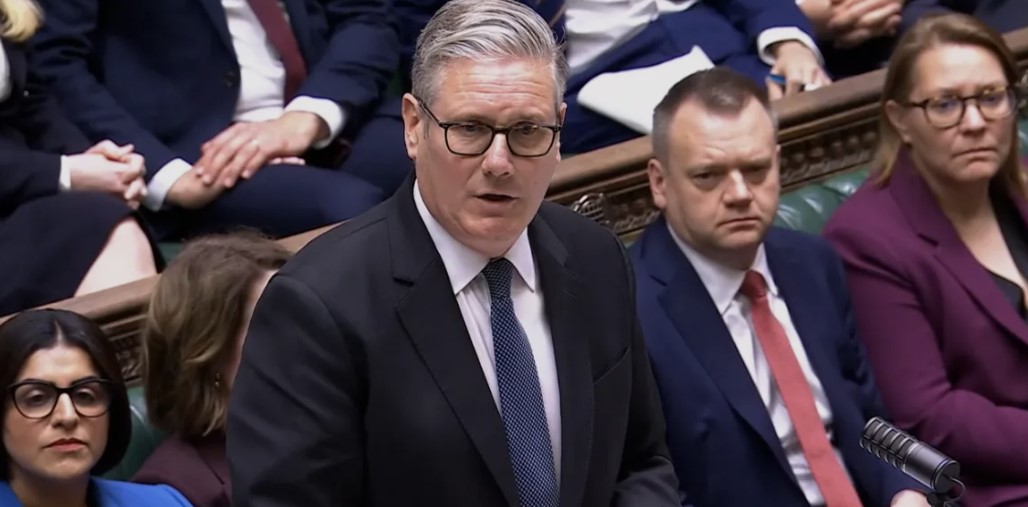
The United Kingdom government has announced plans for a major overhaul of its online safety framework, proposing new measures that would prohibit children under the age of 16 from accessing certain high-risk social media platforms while introducing additional restrictions on features available to younger users across other digital services.
The initiative, unveiled under Prime Minister Keir Starmer’s administration, follows a national consultation in which a large majority of participating parents reportedly supported increasing the minimum age for social media use from 13 to 16.
Proposed Ban on High-Risk Social Media Platforms
Under the proposed framework, digital platforms would be classified according to their level of risk, with stricter rules applying to services deemed most likely to expose children to harmful content or interactions.
For platforms categorized as high risk, users under the age of 16 would be barred from creating or maintaining accounts. The restrictions are expected to apply to several major social networking services and are designed to mirror elements of Australia’s approach to youth online safety.
Feature Restrictions on Lower-Risk Platforms
Rather than imposing outright bans across all services, the government also plans to limit access to certain functions on platforms considered safer for younger audiences.
Features such as disappearing messages, live-streaming tools, and direct messaging with unknown adults could be disabled for under-16 users in an effort to reduce exposure to online risks while still allowing access to selected digital services.
The proposals also include restrictions on the use of AI-powered companion chatbots with romantic or sexual themes, with access expected to be prohibited for individuals under the age of 18.
Age Verification and Digital Safeguards
To enforce the new rules, the government intends to rely on enhanced age-assurance technologies overseen by communications regulator Ofcom.
Platforms may be required to implement verification measures such as facial age estimation technology, digital identity checks, or approved financial verification methods to confirm users’ ages.
In addition, the proposals include measures aimed at reducing excessive screen time among older teenagers. These could involve limiting certain algorithm-driven features, including endless content feeds, during evening hours to encourage healthier online habits.
The planned changes would be enabled under the Children’s Wellbeing and Schools Act 2026, giving ministers authority to introduce and modify platform requirements without the need for separate legislation for each update.
Mixed Reactions to the Proposal
The proposed reforms have received strong support from many parents and child safety advocates who believe stricter controls are needed to better protect young people online.
However, critics have raised concerns about the potential consequences of broad restrictions. Some digital rights campaigners argue that outright bans could push children toward less regulated areas of the internet, while others have questioned whether extensive age-verification systems may create privacy challenges for adult users.
There are also calls for policymakers to balance child protection with digital freedoms and to ensure that any new technologies used for age verification are secure, proportionate, and respectful of users’ privacy.
Compliance Timeline for Technology Companies
Technology companies are expected to be given a limited period to adapt their systems and comply with the proposed requirements before enforcement measures and potential financial penalties are introduced.
If implemented, the reforms would represent one of the most significant changes to online safety regulation in the UK, reflecting growing international efforts to strengthen protections for children and teenagers in the digital environment.
Source: Omanghana