Josiah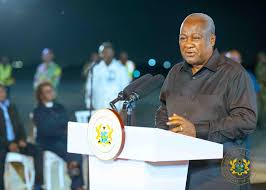
Ghana has secured a landmark diplomatic victory at the United Nations, successfully passing a historic resolution at the General Assembly on March 25, 2026—despite intense last-minute pressure from some of its allies to delay the move.
President John Dramani Mahama described the moment as one of the toughest diplomatic efforts linked to the global conversation on the transatlantic slave trade and its legacy. He acknowledged from the outset that the path would be challenging, noting that Ghana had to work diligently to build a strong and diverse coalition to support the motion.
In the lead-up to the vote, several countries—including some within the negotiating bloc—reportedly called for a postponement, warning that the resolution might not succeed without broader consensus. Others encouraged Ghana to soften its position or revise parts of the proposal to make it more widely acceptable.
Despite these concerns, President Mahama said Ghana remained resolute. Even as he prepared to travel, he received multiple appeals urging caution and delay. However, he emphasised that the country believed the timing was right to act and chose not to back down.
Instead, Ghana pushed forward, strengthening its alliances across regions and maintaining its stance. This determination ultimately paid off, resulting in what the President described as a clear and decisive victory at the General Assembly.
Speaking to experts who contributed to drafting the resolution, John Dramani Mahama defended the decision to proceed without delay, explaining that postponing could have risked losing a rare opportunity. With a strong coalition already in place, he said it was important to act decisively.
The resolution formally recognises the transatlantic slave trade and its enduring impact as a grave crime against humanity—an outcome Ghana has consistently advocated for as part of broader calls for reparations and historical justice.
President Mahama also highlighted the symbolic importance of the achievement, linking it to the enduring vision of Pan-African leaders such as Kwame Nkrumah, Marcus Garvey, and W. E. B. Du Bois, whose legacies continue to shape the global pursuit of justice and equality.
Source:Omanghana.com