Omanghana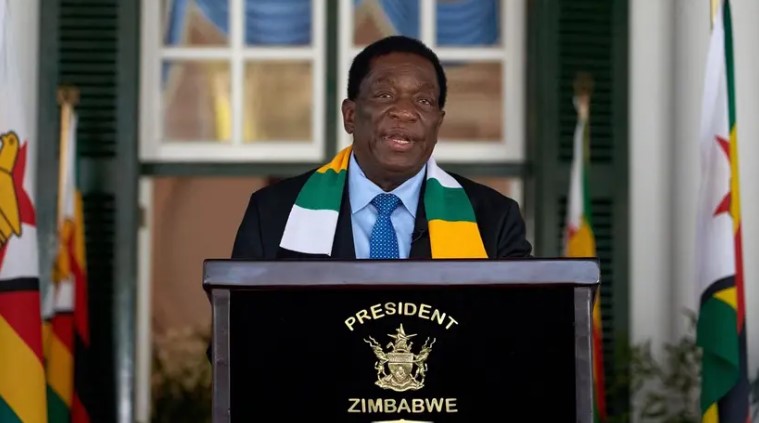
The government of Zimbabwe has intensified efforts to maximize the value of its vast mineral resources by enforcing stricter regulations on lithium production and exports. In a decisive policy shift, authorities have effectively banned the export of unprocessed lithium ore, requiring mining companies to carry out at least initial processing within the country before any exports are approved.
Under the new rules, producers are no longer permitted to export raw “direct shipping ore” (DSO). Instead, all lithium must be processed into concentrates at a minimum standard before leaving Zimbabwe. This move is aimed at ensuring that a greater share of the value chain—from extraction to processing—remains within the domestic economy.
The policy goes further by requiring mining firms to present clear and actionable plans for advancing to the next stage of processing, specifically the construction of lithium carbonate plants. These facilities are essential for producing higher-value battery-grade materials. Companies that fail to demonstrate tangible progress toward building such plants risk losing their export permits, signaling the government’s firm stance on compliance.
In addition to processing requirements, Zimbabwe has introduced strict investment benchmarks. Firms seeking long-term export licenses must show substantial financial commitment to local infrastructure, typically exceeding $250 million for large-scale projects. This condition is designed to ensure that mining operations contribute meaningfully to industrial development and job creation.
Fiscal measures have also been strengthened. The government has increased lithium royalty rates to 5 percent and introduced a beneficiation tax targeting exports that do not meet prescribed processing standards. These measures are intended to discourage the export of low-value materials while boosting national revenue.
The policy direction aligns with the broader industrialization agenda of President Emmerson Mnangagwa, whose administration is working to transform Zimbabwe from a primary commodity exporter into a regional hub for battery mineral processing. By prioritizing local beneficiation, the government aims to capture more value from the global lithium supply chain, particularly as demand for electric vehicle batteries continues to surge.
Officials estimate that exporting processed lithium products such as concentrates or carbonates could increase national earnings from the mineral by as much as 500 percent compared to raw ore exports. This potential revenue boost is a key driver behind the policy’s strict enforcement.
Zimbabwe’s strategy is also shaped by its strong position in the global lithium market. The country holds some of the world’s largest hard-rock lithium reserves, giving it significant leverage in negotiations with international mining firms. Authorities are using this advantage to require companies—many of them foreign-owned—to establish processing facilities locally rather than exporting raw materials to overseas refineries.
Major industry players, including Huayou Cobalt, Sinomine Resource Group, and Chengxin Lithium, have already responded by investing heavily in Zimbabwe’s lithium sector. Collectively, these firms have committed more than $1 billion to developing processing plants at key mining sites such as the Arcadia Lithium Mine and the Bikita Mine.
The reinforced regulations mark a significant turning point in Zimbabwe’s resource management strategy. By tightening export controls and prioritizing domestic value addition, the country is positioning itself to play a more influential role in the global battery supply chain while driving long-term economic growth at home.
Source: Omanghana